Vitex agnus-castus, commonly referred to as vitex or chasteberry, is a plant whose berries have been traditionally used for various gynecological concerns. It has been a subject of interest in herbal medicine for centuries and continues to be explored for its potential applications, particularly for women experiencing hormonal shifts.
For women navigating the complexities of perimenopause, understanding various options can be helpful. This article provides an evidence-based introduction to vitex agnus-castus, detailing what it is, its historical use, and current research findings relevant to this stage of life.
Understanding Vitex Agnus-Castus: The Plant and Its History
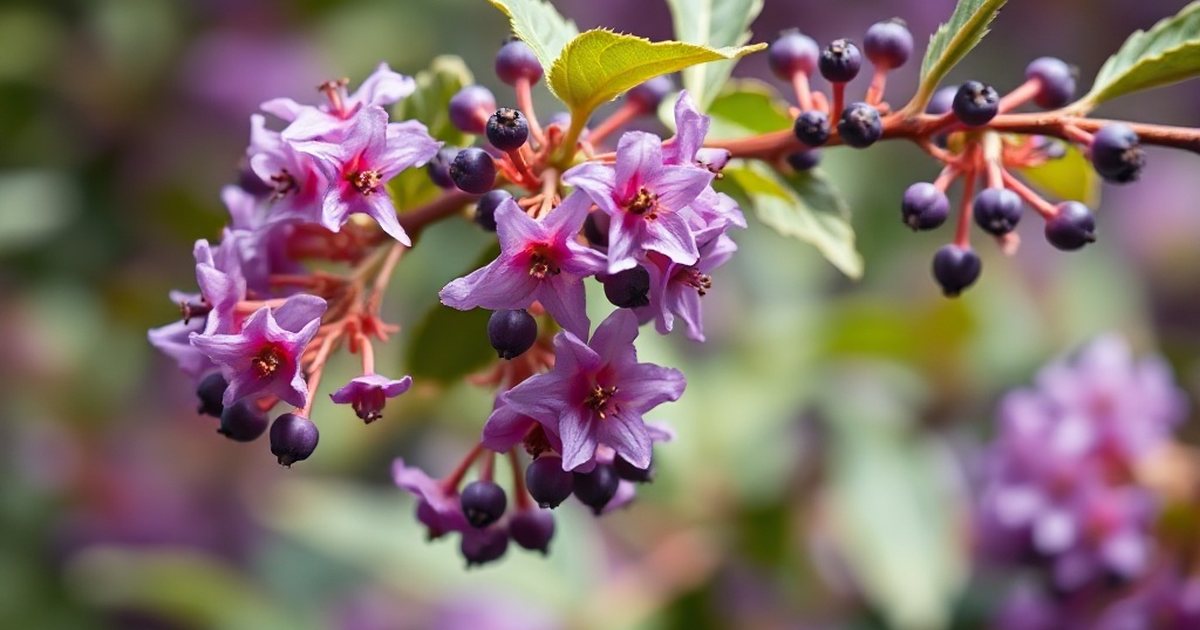
Vitex agnus-castus is a small tree or shrub native to the Mediterranean region and Central Asia. Its berries are the part of the plant most commonly used in herbal preparations. The plant’s name, ‘chasteberry,’ reflects its traditional use in ancient times, where it was believed to promote chastity.
Historically, vitex has been utilized for a range of female reproductive health issues. Its use dates back to ancient Greek and Roman civilizations, where it was documented for supporting women’s well-being. This long history of use has contributed to ongoing interest in its potential mechanisms and applications in modern herbal practice.

How Vitex is Thought to Interact with the Body
Research suggests that vitex agnus-castus may influence hormonal balance, particularly by interacting with the pituitary gland. The pituitary gland plays a crucial role in regulating hormones involved in the menstrual cycle, including prolactin [1]. By potentially modulating prolactin levels, vitex is thought to indirectly affect other hormones, such as progesterone and estrogen.
It’s important to understand that vitex does not contain hormones itself. Instead, its compounds are believed to interact with neurotransmitter systems and hormone receptors, which can lead to downstream effects on hormone regulation. This indirect mechanism of action is central to how vitex is proposed to exert its effects on the body [1].
Vitex and Premenstrual Symptoms: A Foundation of Research
Much of the research on vitex agnus-castus has focused on its potential to support women experiencing premenstrual syndrome (PMS) and premenstrual dysphoric disorder (PMDD). Several systematic reviews and meta-analyses have explored its effectiveness in this area. For instance, a meta-analysis of double-blind randomized controlled trials indicated that vitex agnus-castus may be helpful for symptoms associated with PMS [2].
Another systematic review also found evidence supporting the use of vitex agnus-castus for PMS and PMDD [3]. These findings provide a strong foundation for understanding vitex’s potential to support women through cyclical hormonal changes, which can sometimes extend into the perimenopausal period [4].

Exploring Vitex for Perimenopausal Concerns
While vitex has been extensively studied for PMS, its role for women specifically in perimenopause is an area of ongoing interest. Perimenopause is characterized by fluctuating hormone levels, which can lead to a range of experiences, including irregular cycles and various physical and emotional changes. Some research has explored vitex as part of multi-ingredient formulations for menopausal symptoms.
For example, a randomized, controlled trial investigated the combination of Hypericum perforatum (St. John’s wort) with Vitex agnus-castus for menopausal symptoms [5]. Another subpopulation analysis found that a combination of Hypericum perforatum and Vitex agnus-castus may influence PMS-like symptoms in late-perimenopausal women [6]. These studies suggest a potential role for vitex, often in conjunction with other herbs, in supporting women during this transitional phase. More recent research, such as the EMBRACE PERIMENOPAUSE study, continues to explore the effectiveness of multi-symptom support for perimenopausal effects [7].
It’s important to note that while some studies look at menopausal symptoms, perimenopause is a distinct phase with its own unique hormonal fluctuations. Research specifically focusing on vitex monotherapy for the full spectrum of perimenopausal experiences is still developing, but existing evidence from PMS and combination studies offers valuable insights [8].

References
- Vitex agnus-castus extracts for female reproductive disorders: a systematic review of clinical trials. Planta medica, 2013
- Vitex agnus-castus in premenstrual syndrome: A meta-analysis of double-blind randomised controlled trials. Complementary therapies in medicine, 2019
- Vitex agnus castus for premenstrual syndrome and premenstrual dysphoric disorder: a systematic review. Archives of women’s mental health, 2017
- Premenstrual Syndrome and Premenstrual Dysphoric Disorder: Common Questions and Answers. American family physician, 2025
- Hypericum perforatum with Vitex agnus-castus in menopausal symptoms: a randomized, controlled trial. Menopause (New York, N.Y.), 2009
- Effects of a combination of Hypericum perforatum and Vitex agnus-castus on PMS-like symptoms in late-perimenopausal women: findings from a subpopulation analysis. Journal of alternative and complementary medicine (New York, N.Y.), 2009
- Effectiveness of Multisymptom Support for Better Relief and Alleviation of Common Effects in Perimenopause (EMBRACE PERIMENOPAUSE). Cureus, 2025
- Herbal Products Used in Menopause and for Gynecological Disorders. Molecules (Basel, Switzerland), 2021
These statements have not been evaluated by the Food and Drug Administration. This information is not intended to diagnose, treat, cure, or prevent any disease. Content is for informational purposes only and is not medical advice; consult a qualified healthcare provider before starting any supplement. As an Amazon Associate we earn from qualifying purchases.
