As women approach midlife, the journey through perimenopause can bring about a range of new experiences. Many women seek information on various approaches that might support them during this time. Vitex agnus-castus, also known as chasteberry, is an herb that has garnered attention for its historical use and some research in women’s health.
This article aims to provide an evidence-based introduction to what vitex chasteberry is and its potential considerations for women in perimenopause. We will explore its traditional background and discuss findings from available research, emphasizing a careful, non-hyped perspective.
What is Vitex Agnus-Castus (Chasteberry)?
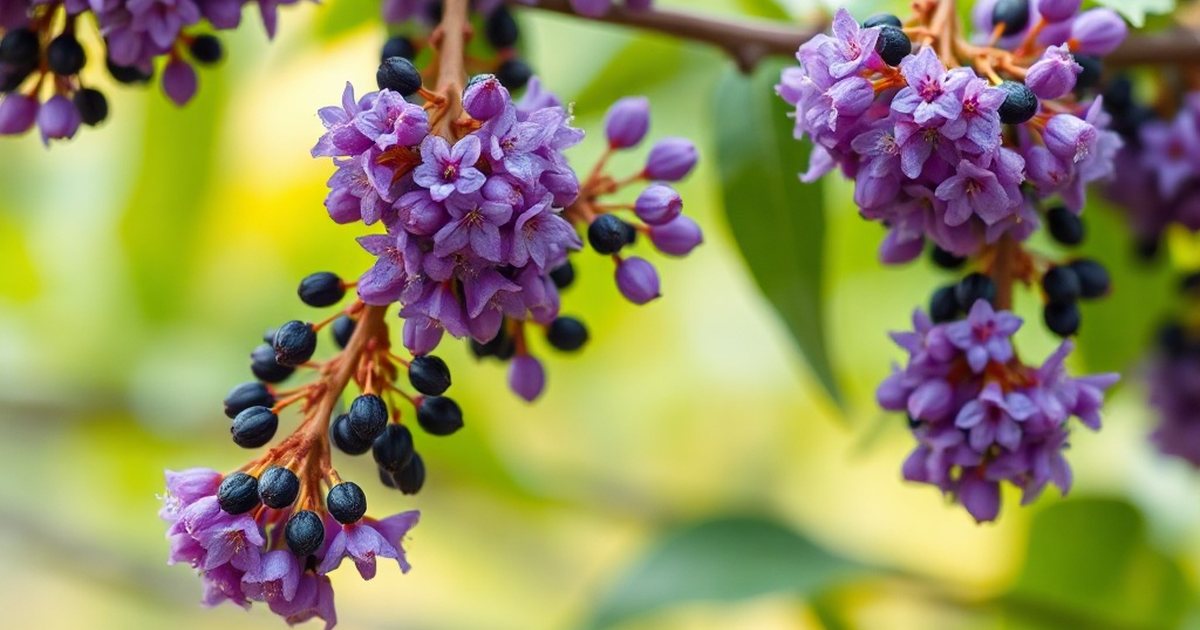
Vitex agnus-castus, commonly referred to as chasteberry, is a shrub native to the Mediterranean region and Central Asia. Its berries have been traditionally used for centuries in various cultures, particularly in relation to women’s health concerns.
The plant is known for its small, reddish-black berries, which are typically dried and used in herbal preparations. When considering vitex for perimenopause, it’s important to understand its long history of use and the compounds it contains that are believed to contribute to its effects.


Traditional Use and Modern Interest
Historically, vitex agnus-castus has been employed for a spectrum of female reproductive issues. Its traditional applications predate modern scientific investigation, suggesting a long-standing observation of its perceived benefits.
In contemporary contexts, there is continued interest in vitex for various aspects of women’s health. Some research has explored its potential role in addressing certain symptoms that can overlap with those experienced during perimenopause, prompting questions about its relevance for this life stage.
Vitex and Perimenopausal Experiences
Perimenopause is a transitional phase leading up to menopause, characterized by fluctuating hormone levels and a variety of potential physical and emotional changes. These can include shifts in menstrual cycles, mood variations, and other effects.
Some research has investigated the effects of vitex, sometimes in combination with other herbs, on symptoms that can be experienced during perimenopause. For example, a 2009 study examined the effects of a combination of Hypericum perforatum and Vitex agnus-castus on PMS-like symptoms in late-perimenopausal women [1]. Another study from 2009 also explored Hypericum perforatum with Vitex agnus-castus in menopausal symptoms [2]. These studies contribute to the understanding of vitex and its potential role in perimenopause.
A more recent publication from 2025, the EMBRACE PERIMENOPAUSE study, also discusses the effectiveness of multisymptom support for better relief and alleviation of common effects in perimenopause, which included vitex agnus-castus as part of a broader approach [3]. This ongoing exploration suggests a continued interest in vitex as a component of support strategies for perimenopausal women.
How Vitex is Thought to Work
While the precise mechanisms are still being fully understood, vitex agnus-castus is believed to exert its effects through interactions with certain neurotransmitter systems and by influencing pituitary hormone release. It is thought to have an impact on dopamine receptors, which can indirectly affect the balance of other hormones.

This influence on hormonal pathways is why vitex has been a subject of interest in women’s health. The aim is often to help support the body’s natural regulatory processes, rather than directly supplying hormones. Understanding these potential mechanisms helps to clarify the proposed role of vitex in perimenopause.
Considering Vitex: What to Know
When considering vitex during perimenopause, it’s important to approach its use with a careful and informed perspective. Herbal supplements can affect individuals differently, and what works for one person may not work for another.
Vitex has been included in reviews of herbs commonly used by women, indicating its long-standing presence in discussions about women’s health [4][5]. These reviews provide a broader context for its use, highlighting its place among other botanicals considered for women’s well-being. Always select reputable sources for supplements and discuss any new supplements with a healthcare provider.
References
- Effects of a combination of Hypericum perforatum and Vitex agnus-castus on PMS-like symptoms in late-perimenopausal women: findings from a subpopulation analysis. Journal of alternative and complementary medicine (New York, N.Y.), 2009
- Hypericum perforatum with Vitex agnus-castus in menopausal symptoms: a randomized, controlled trial. Menopause (New York, N.Y.), 2009
- Effectiveness of Multisymptom Support for Better Relief and Alleviation of Common Effects in Perimenopause (EMBRACE PERIMENOPAUSE). Cureus, 2025
- Herbs commonly used by women: an evidence-based review. American journal of obstetrics and gynecology, 2003
- Herbs commonly used by women: an evidence-based review. Disease-a-month : DM, 2002
These statements have not been evaluated by the Food and Drug Administration. This information is not intended to diagnose, treat, cure, or prevent any disease. Content is for informational purposes only and is not medical advice; consult a qualified healthcare provider before starting any supplement. As an Amazon Associate we earn from qualifying purchases.
