Ready to buy? Check current prices on Amazon and compare deals before you decide.
Perimenopause is a transitional phase in a woman’s reproductive life, characterized by fluctuating hormone levels as the body moves towards menopause. This period can bring about a range of experiences, often linked to changes within the intricate communication system known as the hypothalamic-pituitary-ovarian (HPO) axis.
Vitex agnus-castus, also known as chasteberry, is an herbal supplement that has been traditionally used to support women’s health. Understanding its potential relationship with the HPO axis during perimenopause is a common area of interest for women seeking to navigate this natural life stage.
Understanding the Hypothalamic-Pituitary-Ovarian (HPO) Axis
The HPO axis is a complex neuroendocrine system that orchestrates reproductive function in women. It involves a continuous feedback loop between three key glands: the hypothalamus in the brain, the pituitary gland (also in the brain), and the ovaries. The hypothalamus releases gonadotropin-releasing hormone (GnRH), which signals the pituitary to release follicle-stimulating hormone (FSH) and luteinizing hormone (LH). These gonadotropins, in turn, act on the ovaries to stimulate the production of estrogen and progesterone, as well as the development and release of eggs.
During perimenopause, the ovaries begin to respond less efficiently to FSH and LH, leading to irregular ovulation and fluctuating hormone levels. This can result in a wide array of physical and emotional changes. The HPO axis attempts to compensate for declining ovarian function, often leading to elevated FSH levels as the pituitary tries to stimulate the ovaries more intensely. These shifts are a natural part of the aging process but can contribute to the unique experiences of perimenopause.
Vitex’s Traditional Role and Potential Mechanisms
Vitex agnus-castus has a long history of use in traditional herbal practices, particularly for supporting various aspects of female reproductive health. Its traditional applications often relate to menstrual cycle regularity and managing discomforts associated with hormonal fluctuations. While the exact mechanisms are still being explored, research suggests that vitex may influence certain neurotransmitters and hormone pathways.
One area of focus regarding vitex is its potential interaction with dopamine receptors. The proposed mechanism is that diterpenes in the extract activate dopamine D2 receptors in the anterior pituitary and thereby reduce prolactin release, although the endocrinology review that sets this out is explicit that no large randomized trials support it and that the precise pharmacology remains obscure [1]. Laboratory work has since narrowed down which compounds are responsible: screening fractions of the extract Ze 440 against the human D2 receptor found the diterpenes viteagnusin I and rotundifuran active, found vitexilactone inactive, and unexpectedly identified a triterpene, 3-epi-maslinic acid, as the most active compound tested [2]. Dopamine plays a role in regulating prolactin secretion from the pituitary gland. Prolactin, while primarily known for its role in lactation, can also influence the HPO axis. Elevated prolactin levels can sometimes disrupt ovulation and contribute to menstrual irregularities. By potentially influencing dopamine pathways, vitex might indirectly support a more balanced hormonal environment, though more research is needed to fully understand these interactions in perimenopausal women.
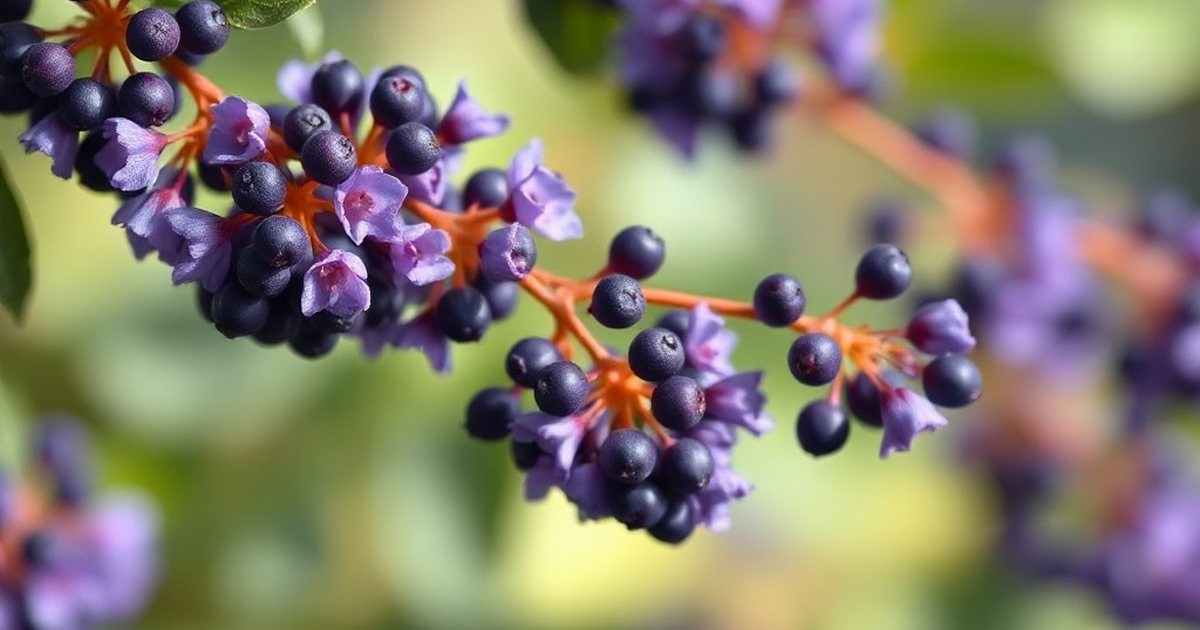
Vitex and Hormonal Balance in Perimenopause
In perimenopause, the delicate balance of hormones like estrogen, progesterone, FSH, and LH undergoes significant changes. Progesterone levels, in particular, can begin to decline earlier and more erratically than estrogen. This can sometimes lead to a state of relative estrogen dominance, even if overall estrogen levels are also fluctuating or declining. The HPO axis responds to these changes, leading to the characteristic hormonal shifts of this life stage.
While direct, large-scale studies specifically on vitex’s impact on the HPO axis in perimenopausal women are not abundant, the herb’s traditional use and some preliminary research suggest potential areas of influence. For example, by potentially supporting progesterone levels or modulating prolactin, vitex might indirectly assist in maintaining a more favorable hormonal balance within the HPO axis. The closest direct evidence comes from outside perimenopause: within a systematic review of randomized trials, a study in women with latent hyperprolactinaemia reported that Vitex reduced TRH-stimulated prolactin secretion, normalized a shortened luteal phase and raised mid-luteal progesterone and 17-beta-oestradiol [3]. Those participants were not perimenopausal, so this shows the mechanism operating in at least one population without showing that it transfers to this one. However, it is important to note that the perimenopausal HPO axis is inherently dynamic and undergoing natural changes, and vitex’s role is typically viewed as supportive rather than altering the fundamental progression of this stage.

It’s crucial to approach the topic of vitex in perimenopause with a balanced perspective. The evidence base regarding its direct, comprehensive effects on the perimenopausal HPO axis is still developing. While traditional use suggests benefits for menstrual cycle regularity and related discomforts, these effects may be more pronounced in premenopausal women with certain types of hormonal imbalances. In perimenopause, where the HPO axis is undergoing a natural transition, vitex’s influence may be more subtle and aimed at supporting overall comfort rather than fundamentally altering the course of hormonal aging.
Safety and Considerations for Vitex Use in Perimenopause
When considering vitex, especially during perimenopause, it is important to be aware of potential interactions and individual responses. While generally considered well-tolerated by many, some individuals may experience mild side effects. These could include digestive upset, skin reactions, or headaches. As with any supplement, starting with a lower dose and observing your body’s response is a sensible approach.
Given that perimenopause involves significant hormonal shifts, discussing any supplement use with a healthcare provider is always recommended. This is particularly important if you are taking other medications, have underlying health conditions, or are experiencing severe or concerning perimenopausal symptoms. A healthcare professional can help assess whether vitex is appropriate for your individual situation and ensure it aligns with your overall health plan.


References
- Vitex agnus castus effects on hyperprolactinaemia. Frontiers in Endocrinology, 2023
- Vitex agnus castus extract Ze 440: diterpene and triterpene interactions with the dopamine D2 receptor. International Journal of Molecular Sciences, 2024
- Vitex agnus-castus extracts for female reproductive disorders: a systematic review of clinical trials. Planta Medica, 2013
These statements have not been evaluated by the Food and Drug Administration. This information is not intended to diagnose, treat, cure, or prevent any disease. Content is for informational purposes only and is not medical advice; consult a qualified healthcare provider before starting any supplement. As an Amazon Associate we earn from qualifying purchases.
