Ready to buy? Check current prices on Amazon and compare deals before you decide.
Navigating perimenopause often brings a range of new experiences, and many women seek information about supportive approaches. Among the various options, herbal supplements like vitex (chasteberry) and soy isoflavones are sometimes discussed for their potential roles in managing symptoms.
This article aims to provide a balanced, evidence-based overview of vitex and soy isoflavones, focusing on what current research suggests about their use during perimenopause. We’ll explore their distinct mechanisms and what is known about their potential benefits, acknowledging the limitations of current scientific understanding.
Understanding Perimenopause and Symptom Management
Perimenopause is a natural transition period leading up to menopause, characterized by fluctuating hormone levels, primarily estrogen and progesterone. This hormonal variability can lead to a variety of physical and emotional changes, including irregular menstrual cycles, hot flashes, mood shifts, and sleep disturbances. These experiences can significantly impact daily life, prompting many women to explore different ways to support their well-being during this phase.
For some, conventional medical interventions are appropriate and effective. Others may be interested in complementary approaches, including dietary changes, lifestyle adjustments, and herbal supplements. When considering herbal options, it’s helpful to understand the available evidence and how different herbs might interact with the body.
Vitex (Chasteberry): A Focus on Hormonal Balance
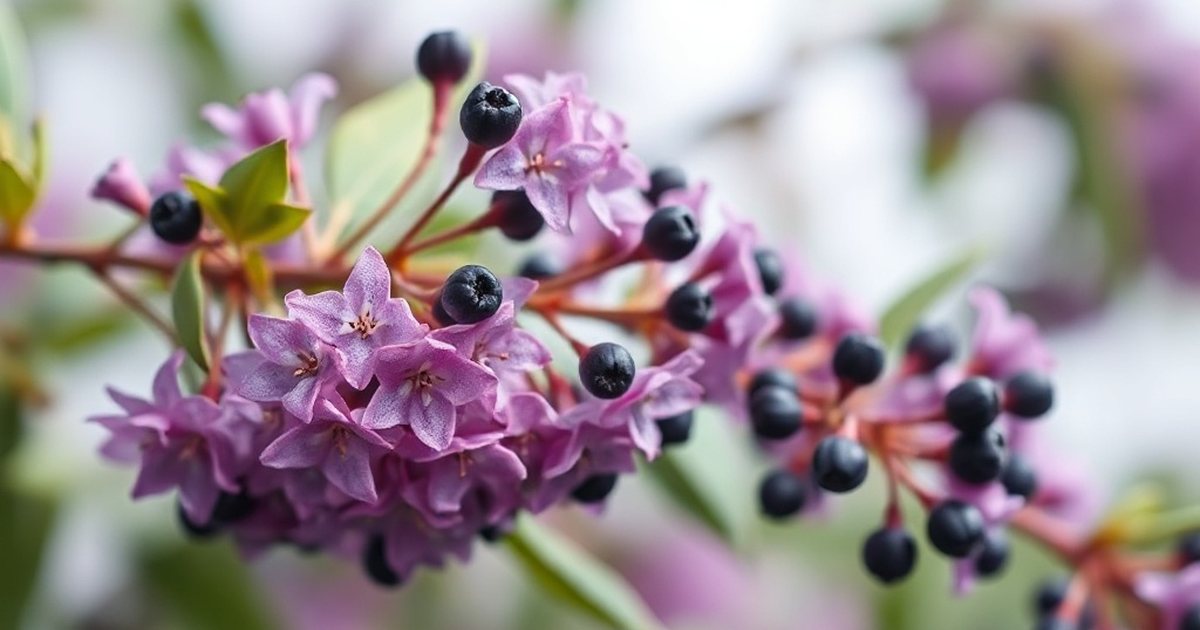
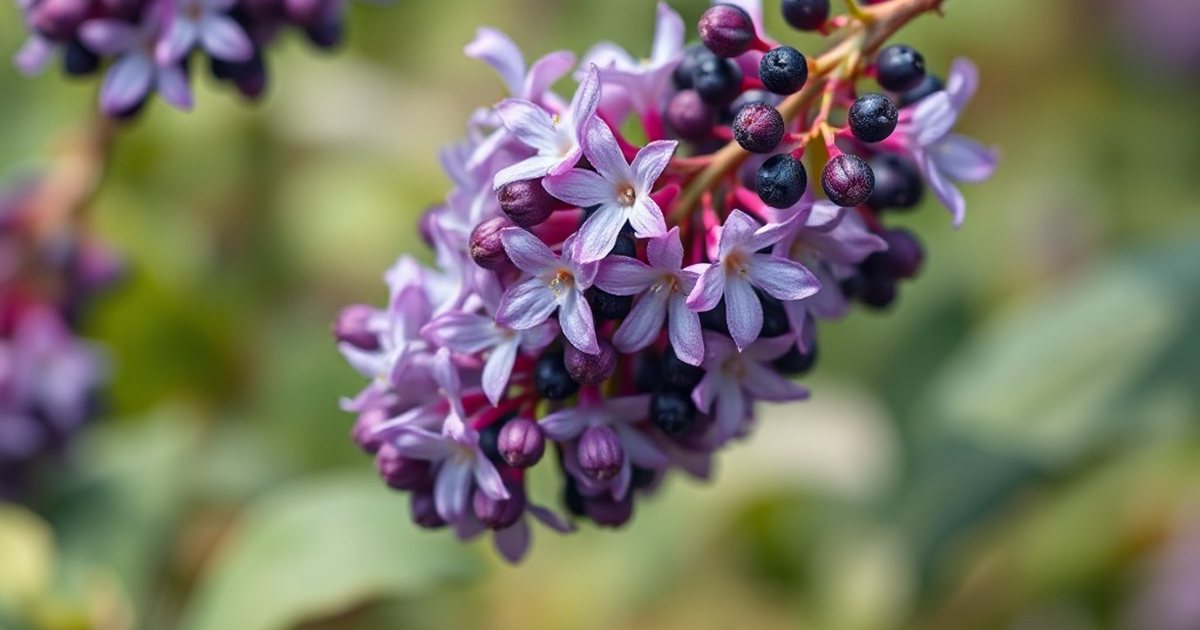
Vitex agnus-castus, commonly known as chasteberry, has a long history of traditional use, particularly for issues related to the menstrual cycle. Its proposed mechanisms of action often involve the pituitary gland, which plays a central role in regulating hormones. Specifically, vitex is thought to influence the production of prolactin, a hormone that can impact the balance of other reproductive hormones[1].
In perimenopause, hormonal fluctuations can lead to irregular cycles and breast tenderness, among other symptoms. Vitex is sometimes considered for its potential to support a more balanced hormonal environment. However, it’s important to note that research specifically on vitex for perimenopausal symptoms is limited. Most existing studies have focused on its use for premenstrual syndrome (PMS) or other menstrual irregularities in younger women[2].
While some women in perimenopause experience symptoms similar to PMS, such as mood swings or breast discomfort, direct evidence for vitex’s effectiveness in the broader context of perimenopausal hot flashes or sleep disturbances is not robust. Its traditional use points towards supporting the luteal phase of the menstrual cycle, which could be relevant for those experiencing irregular cycles during perimenopause.


Soy Isoflavones: Phytoestrogens and Estrogen Receptors
Soy isoflavones are compounds found in soybeans and other legumes, which are classified as phytoestrogens. Phytoestrogens are plant-derived compounds that have a chemical structure similar to estrogen and can interact with estrogen receptors in the body. Because of this interaction, soy isoflavones have garnered interest for their potential role in mitigating some symptoms associated with declining estrogen levels during perimenopause and menopause.
The primary perimenopausal symptoms for which soy isoflavones are often explored include hot flashes and night sweats. The theory is that by weakly binding to estrogen receptors, isoflavones might help to temper the effects of fluctuating or declining estrogen. However, the extent of this effect can vary greatly among individuals, possibly due to differences in gut microbiota that influence how isoflavones are metabolized.
Research into soy isoflavones for menopausal symptoms has yielded mixed results. While some studies suggest a modest reduction in hot flash frequency or severity for some women, others have found no significant benefit. The effect may depend on the specific type of isoflavone, the dosage, the duration of use, and individual physiological differences. It’s also important to consider that soy isoflavones are dietary compounds and their effects may be different from pharmaceutical interventions.
Vitex vs. Soy Isoflavones: Key Differences and Considerations
When comparing vitex and soy isoflavones, their proposed mechanisms of action are quite distinct. Vitex is thought to influence the pituitary gland and prolactin, potentially supporting progesterone balance, while soy isoflavones act as phytoestrogens, interacting with estrogen receptors. This means they may address different aspects of perimenopausal hormonal changes.
Vitex is generally considered for symptoms related to menstrual cycle regularity and premenstrual discomforts, which can persist or worsen during perimenopause. Soy isoflavones, on the other hand, are more commonly discussed for their potential impact on vasomotor symptoms like hot flashes and night sweats, which are more directly linked to estrogen fluctuations.

Given the limited research specifically comparing these two herbs for perimenopausal symptoms, there is no strong evidence to suggest one is definitively ‘better’ than the other[3]. The choice between them, or whether to use either, often comes down to the specific symptoms a woman is experiencing and her individual physiological response. It is also crucial to remember that the evidence for both in the context of perimenopause is not extensive, and more robust studies are needed.
Safety and Side Effects: What to Know
Both vitex and soy isoflavones are generally considered to have a good safety profile for most people when used appropriately. However, like any supplement, they can have potential side effects and interactions.
For vitex, reported side effects are typically mild and can include gastrointestinal upset, headache, and skin rash[4]. Because it may influence hormone levels, it is generally not recommended for individuals with hormone-sensitive conditions, or those taking hormone-related medications, including hormonal birth control or hormone replacement therapy (HRT).
Soy isoflavones are generally well-tolerated, with mild gastrointestinal issues being the most common reported side effect. Concerns have been raised in the past about phytoestrogens and hormone-sensitive conditions; however, current research generally suggests that moderate dietary intake of soy is safe for most women. Still, individuals with a history of estrogen-sensitive cancers or those on tamoxifen should discuss soy isoflavone supplementation with a healthcare provider.
It’s always important to inform your healthcare provider about all supplements you are taking to avoid potential interactions and ensure they are appropriate for your individual health situation.
References
- Vitex agnus castus effects on hyperprolactinaemia. Front Endocrinol (Lausanne), 2023
- The treatment of premenstrual syndrome with preparations of Vitex agnus castus: a systematic review and meta-analysis. Am J Obstet Gynecol, 2017
- Adding Agnus Castus and Magnolia to Soy Isoflavones Relieves Sleep Disturbances Besides Postmenopausal Vasomotor Symptoms-Long Term Safety and Effectiveness. Nutrients, 2017
- Vitex agnus castus: a systematic review of adverse events. Drug Saf, 2005
These statements have not been evaluated by the Food and Drug Administration. This information is not intended to diagnose, treat, cure, or prevent any disease. Content is for informational purposes only and is not medical advice; consult a qualified healthcare provider before starting any supplement. As an Amazon Associate we earn from qualifying purchases.
