Ready to buy? Check current prices on Amazon and compare deals before you decide.
Perimenopause is a natural transition marked by fluctuating hormones and often, changes in menstrual cycles. These shifts can range from irregular periods to altered flow or duration, prompting many women to seek ways to support their body through this phase.
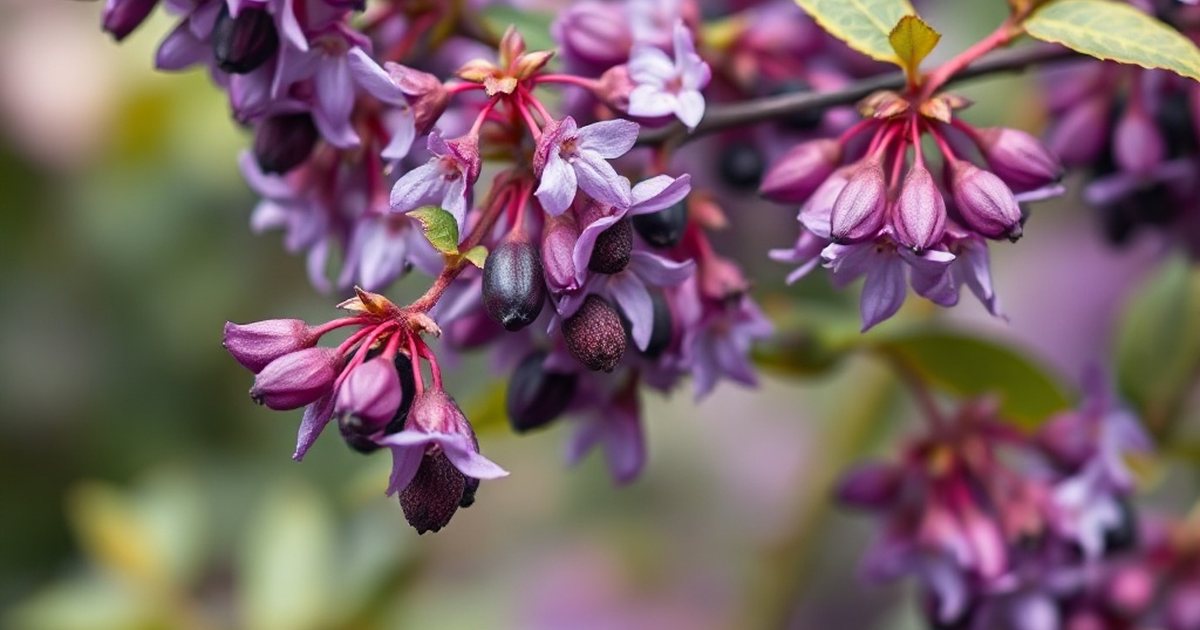
Vitex agnus-castus, also known as chasteberry, is an herb that has garnered interest for its potential role in supporting hormonal balance. For those experiencing perimenopausal cycle irregularities, understanding the appropriate timing for starting and potentially stopping vitex is a common and important consideration.
Understanding Perimenopausal Cycle Changes
Before considering any support, it’s helpful to understand the nature of perimenopausal cycle changes. As women approach menopause, ovarian function gradually declines. This can lead to variations in estrogen and progesterone levels, which directly influence the regularity and characteristics of the menstrual cycle. Cycles might become shorter, longer, heavier, lighter, or more unpredictable.
These changes are a normal physiological part of aging, but they can sometimes be disruptive or uncomfortable. Some women may experience anovulatory cycles (cycles without ovulation), while others might have cycles where ovulation occurs but with altered hormonal signals.
Vitex and Hormonal Support: How it May Work
Vitex is thought to influence hormonal balance indirectly, primarily through its potential interaction with the pituitary gland[1]. It is believed to support the production of luteinizing hormone (LH), which can, in turn, influence progesterone levels. This potential action may contribute to a more balanced progesterone-to-estrogen ratio, which can be beneficial during times of hormonal flux.
In perimenopause, declining progesterone production can sometimes lead to what is sometimes called ‘estrogen dominance,’ even when estrogen levels are also fluctuating. By potentially supporting progesterone, vitex may help to modulate some of the symptoms associated with this imbalance, such as breast tenderness or cycle irregularities. However, it is important to remember that the evidence for vitex in perimenopause is limited, and individual responses can vary.
When to Consider Starting Vitex for Perimenopausal Cycles
For women experiencing noticeable shifts in their menstrual cycles during perimenopause, vitex might be considered. This could include situations where cycles become significantly irregular, such as periods that are much shorter or longer than usual, or if there’s an increase in premenstrual physical discomforts. The decision to start vitex should ideally be made in consultation with a healthcare provider, to ensure it’s appropriate for your individual health profile.
A common approach for starting vitex is to take it daily throughout the cycle, rather than only during certain phases. Consistent daily intake is often suggested because its effects are believed to build over time. It may take several weeks or even a few menstrual cycles to observe any potential benefits[2]. It’s crucial to manage expectations, as perimenopause itself is a dynamic process, and vitex is not a ‘fix’ for all changes.
Monitoring Your Cycle While Taking Vitex
If you choose to use vitex during perimenopause, keeping a detailed record of your menstrual cycle can be very helpful. Note the start and end dates of your period, the flow characteristics, and any associated symptoms like breast tenderness, mood changes, or sleep disturbances. This information can help you and your healthcare provider assess whether vitex appears to be offering any support or if adjustments might be needed.
It’s also important to be aware that perimenopausal cycles can naturally fluctuate, even without intervention. Therefore, attributing all changes solely to vitex can be challenging. A sustained period of observation (e.g., 3-6 months) is often recommended before drawing conclusions about its effects.

When to Consider Stopping Vitex in Perimenopause
Deciding when to stop vitex during perimenopause is as important as deciding when to start. As you progress further into perimenopause, your cycles may become increasingly irregular, and eventually, cease altogether. Vitex is generally considered most relevant when there are still active menstrual cycles that could benefit from hormonal support.
If your cycles become very infrequent (e.g., only every few months) or stop for an extended period, it may be a sign that you are nearing menopause. At this point, the rationale for continuing vitex, which primarily aims to support cyclical hormonal patterns, may diminish. Discussing this transition with a healthcare provider can help determine the best course of action. It’s often suggested to gradually reduce the dosage rather than stopping abruptly, to allow your body to adjust.
What We Don’t Know Yet: Limited Evidence for Vitex in Perimenopause
It is important to acknowledge that specific, high-quality research directly on vitex use and timing for perimenopausal cycle support is limited. Much of the understanding of vitex’s potential effects comes from studies in premenopausal women with conditions like PMS or luteal phase defect[3]. While these insights offer a theoretical basis for its use in perimenopause, the unique hormonal landscape of this transitional phase means that direct applicability is not fully established.
More research is needed to provide clear, evidence-based guidelines for vitex perimenopause timing, optimal dosages, and long-term safety specifically for this population. Therefore, decisions about using vitex during perimenopause should be made with careful consideration and in consultation with a healthcare professional, keeping in mind the current limitations of the evidence.


References
- Vitex agnus castus effects on hyperprolactinaemia. Front Endocrinol (Lausanne), 2023
- Treatment for the premenstrual syndrome with agnus castus fruit extract: prospective, randomised, placebo controlled study. BMJ, 2001
- Vitex agnus castus for premenstrual syndrome and premenstrual dysphoric disorder: a systematic review. Arch Womens Ment Health, 2017
These statements have not been evaluated by the Food and Drug Administration. This information is not intended to diagnose, treat, cure, or prevent any disease. Content is for informational purposes only and is not medical advice; consult a qualified healthcare provider before starting any supplement. As an Amazon Associate we earn from qualifying purchases.
