Ready to buy? Check current prices on Amazon and compare deals before you decide.
Perimenopause is a transitional phase leading up to menopause, often characterized by fluctuating hormone levels that can bring about a range of experiences. Many women seek ways to navigate these changes naturally, and vitex (Vitex agnus-castus), also known as chasteberry, is one such herb that has garnered attention.
Traditionally used for various gynecological concerns, vitex is being explored for its potential to support the body’s natural processes during this significant life stage. This article will delve into how vitex may interact with the endocrine system, offering insights into its possible role in promoting hormone balance during perimenopause.
What is Perimenopause and Why Do Hormones Fluctuate?
Perimenopause can begin several years before a woman’s final menstrual period, typically starting in her 40s, but sometimes earlier. During this time, the ovaries’ production of estrogen and progesterone becomes less consistent. These hormonal shifts are a natural part of aging and can manifest differently for each individual.
The primary hormones involved are estrogen and progesterone. Estrogen levels can rise and fall unevenly, sometimes leading to periods of estrogen dominance relative to progesterone. Progesterone levels often begin to decline earlier and more steadily. This imbalance between estrogen and progesterone is thought to contribute to many of the common experiences associated with perimenopause.
Vitex: A Traditional Botanical for Women’s Health
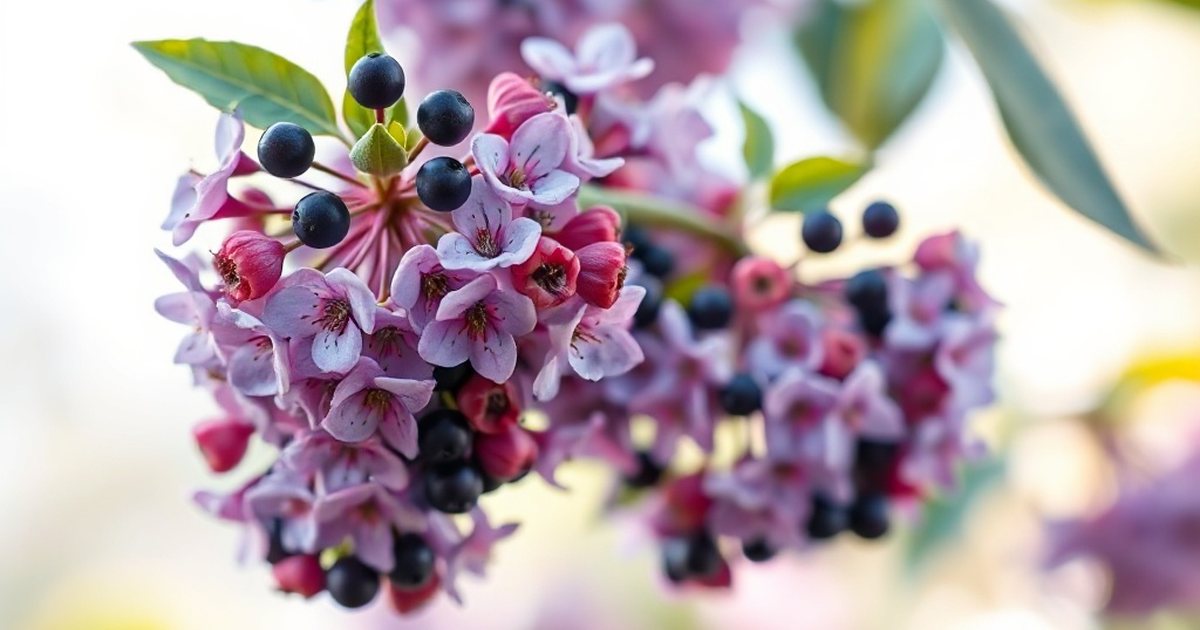
Vitex agnus-castus is a shrub native to the Mediterranean region and Asia. Its berries have been used for centuries in traditional herbal medicine, primarily for conditions related to the female reproductive system. Historical texts suggest its application for supporting menstrual regularity and addressing discomforts associated with the menstrual cycle.
The traditional understanding of vitex’s actions often centered on its ability to influence what was perceived as ‘female energies’ or ‘humors.’ Modern scientific inquiry has begun to investigate these traditional uses through the lens of biochemistry and endocrinology, attempting to understand the specific compounds and mechanisms at play within the body.


How Vitex May Influence Hormone Balance
The primary way vitex is thought to support hormone balance is through its interaction with the pituitary gland, a master gland in the brain that regulates many endocrine functions. Specifically, vitex is believed to influence the release of prolactin, a hormone produced by the pituitary[1]. While prolactin is well-known for its role in lactation, elevated levels can sometimes impact the balance of other reproductive hormones.
By potentially modulating prolactin levels, vitex is suggested to indirectly support healthy progesterone production. Progesterone is crucial for balancing estrogen and maintaining a regular menstrual cycle. During perimenopause, declining progesterone levels are common, and vitex’s potential to support this hormone is a key area of interest. It’s important to note that vitex does not contain hormones itself, nor does it directly introduce hormones into the body; rather, it is thought to work by influencing the body’s own regulatory systems.
While direct, high-quality human studies specifically on vitex and perimenopausal hormone balance are limited, the proposed mechanism of action involving the dopaminergic system and prolactin regulation provides a theoretical basis for its traditional use and ongoing interest in perimenopausal support[2]. This indirect approach to hormone modulation is what sets vitex apart from hormonal therapies.


Vitex and Perimenopausal Experiences
Given the fluctuating nature of hormones during perimenopause, many women experience a variety of symptoms, including irregular menstrual cycles, breast tenderness, mood changes, and sleep disturbances. While direct evidence linking vitex specifically to the alleviation of all perimenopausal experiences is still developing, its potential to support progesterone levels and menstrual regularity might indirectly offer support for some of these concerns.
For instance, if irregular cycles are partly due to insufficient progesterone relative to estrogen, then vitex’s theoretical ability to promote progesterone production could contribute to more predictable cycles. Similarly, breast tenderness, often linked to estrogen dominance or high prolactin, might also see some support if vitex helps to rebalance these hormones. It is crucial to manage expectations, as individual responses can vary greatly, and perimenopause is a complex process with multiple contributing factors.
Considering Vitex: Dosage and Duration
When considering vitex, it’s generally recommended to start with a lower dose and observe how your body responds. Standardized extracts are often preferred to ensure consistent potency. The effects of vitex are typically not immediate; it may take several weeks to a few months of consistent use to notice potential changes[3].
Because perimenopause is a phase that can last for several years, ongoing consultation with a healthcare provider is advisable to monitor symptoms and assess the continued appropriateness of vitex. Adjustments to dosage or duration may be necessary based on individual needs and evolving hormonal patterns.
References
- Vitex agnus castus effects on hyperprolactinaemia. Front Endocrinol (Lausanne), 2023
- Vitex agnus castus Extract Ze 440: Diterpene and Triterpene’s Interactions with Dopamine D2 Receptor. Int J Mol Sci, 2024
- Treatment for the premenstrual syndrome with agnus castus fruit extract: prospective, randomised, placebo controlled study. BMJ, 2001
These statements have not been evaluated by the Food and Drug Administration. This information is not intended to diagnose, treat, cure, or prevent any disease. Content is for informational purposes only and is not medical advice; consult a qualified healthcare provider before starting any supplement. As an Amazon Associate we earn from qualifying purchases.
