Ready to buy? Check current prices on Amazon and compare deals before you decide.
Perimenopause is a natural transition period for women, often marked by significant changes in the menstrual cycle. One common experience during this time is the onset of irregular periods, which can range from changes in flow to unpredictable timing.
Many women seek ways to navigate these shifts. Vitex agnus-castus, also known as chasteberry, is an herb that has been traditionally used for various gynecological concerns. This article explores the current understanding of vitex for supporting women experiencing irregular periods during perimenopause.
Understanding Perimenopausal Irregular Periods
Perimenopause typically begins several years before menopause itself, often in a woman’s 40s, but sometimes earlier. During this phase, ovarian hormone production, particularly estrogen and progesterone, starts to fluctuate. These hormonal shifts are the primary reason for changes in the menstrual cycle.
Periods can become shorter, longer, heavier, lighter, or more spaced out. Some women might experience skipped periods, while others might have cycles that are closer together. These irregularities are a normal physiological response to the changing hormonal landscape as the body prepares for menopause.
What is Vitex Agnus-Castus (Chasteberry)?
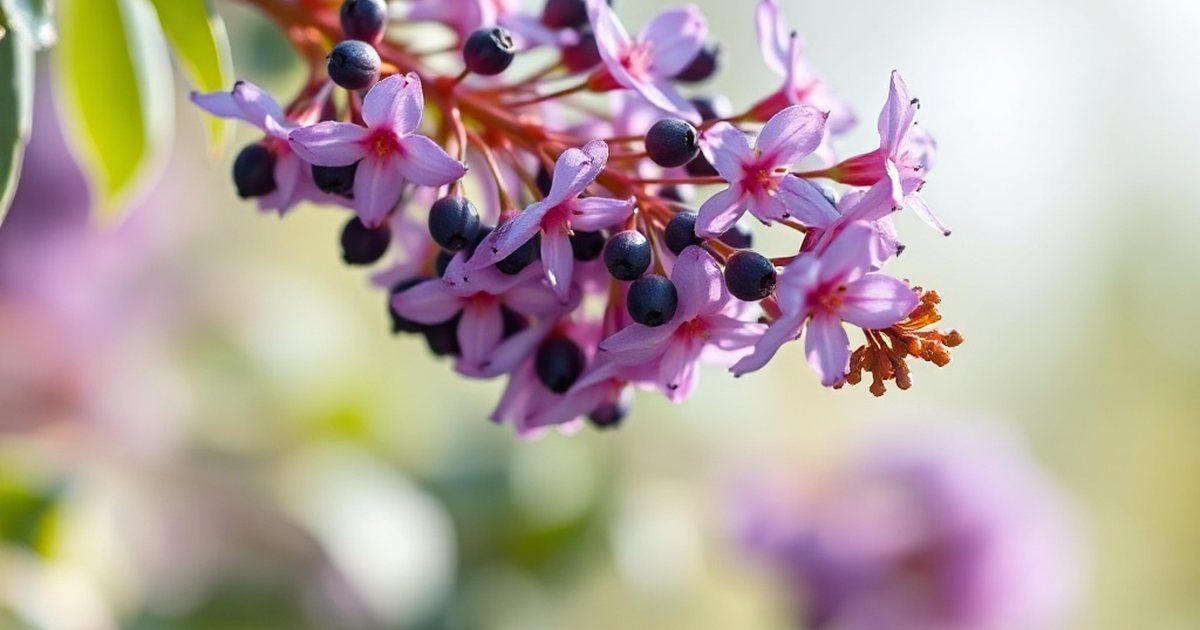
Vitex agnus-castus is a shrub native to the Mediterranean region and Asia. Its berries have been used for centuries in traditional herbal medicine, particularly for women’s health issues. The plant’s historical applications include supporting menstrual cycle regularity and addressing discomforts associated with the menstrual cycle.
The proposed actions of vitex are often attributed to its potential influence on the pituitary gland, which in turn can affect hormone production. It is thought to interact with dopamine receptors, which may indirectly influence prolactin levels. Prolactin is a hormone that can impact the menstrual cycle when its levels are out of balance.
That traditional use carries regulatory recognition as well as historical weight: Germany’s Commission E approved vitex for irregularities of the menstrual cycle, premenstrual disturbances and mastodynia, and a systematic review of the available human safety data concluded that reported adverse events are mild and reversible, most commonly nausea, headache and gastrointestinal disturbance[1].


Traditional Use of Vitex for Menstrual Cycle Support
Historically, vitex has been employed to help regulate menstrual cycles and alleviate various premenstrual discomforts. Its use in traditional practices suggests an understanding of its potential to harmonize the female reproductive system. While historical use offers valuable context, modern scientific inquiry aims to understand the mechanisms and efficacy of such traditional remedies.
The focus of traditional use has often been on supporting a more predictable menstrual pattern, which aligns with the challenges many women face during perimenopause. It’s important to differentiate between historical applications and contemporary evidence-based understanding.
Current Understanding of Vitex and Perimenopausal Irregularity
When considering vitex for irregular periods during perimenopause, it’s important to approach the topic with a balanced perspective. While there is a strong tradition of vitex use for menstrual cycle support, specific research focusing exclusively on perimenopausal irregular periods is limited.

Much of the existing research on vitex and menstrual cycle regulation has focused on conditions like premenstrual syndrome (PMS) or luteal phase defects in younger women. These studies suggest that vitex may help to normalize certain hormonal imbalances that contribute to cycle irregularities.
However, perimenopause involves a broader and more complex hormonal shift than these specific conditions. The evidence for vitex directly addressing the unique hormonal fluctuations of perimenopause and their impact on irregular periods is not robust. Women considering vitex for this specific concern often rely on the broader understanding of its traditional use and its potential to influence hormonal balance, rather than direct clinical evidence for perimenopausal irregularity.
Two lines of evidence show why that caution is warranted rather than merely conventional. A retrospective longitudinal cohort of 1,700 women taking vitex-containing products for menstrual cycle disorders reported the proportion with an irregular cycle falling from 9.1% to 0.1% over three months, but the cohort’s mean age was 30.2 years and the design was an uncontrolled chart review rather than a randomised comparison[2]. Pulling in the other direction, a systematic review and meta-analysis found that vitex did not significantly change the amount of menstrual bleeding compared with placebo in either the first or the second cycle studied[3]. Neither body of work was carried out in perimenopausal women.
How Vitex Might Support Cycle Regularity
The proposed mechanism by which vitex may support menstrual cycle regularity involves its potential influence on the balance between estrogen and progesterone. It is thought to potentially support the production of progesterone indirectly by influencing the pituitary gland’s regulation of hormones.
A more balanced hormonal environment could theoretically contribute to more predictable menstrual cycles. However, it is crucial to understand that perimenopausal hormonal fluctuations are complex and not always amenable to simple solutions. Vitex is not understood to ‘force’ a specific hormonal outcome but rather to potentially support the body’s natural regulatory processes.
References
- Vitex agnus castus: a systematic review of adverse events. Drug safety, 2005
- Use of Vitex agnus-castus in patients with menstrual cycle disorders: a single-center retrospective longitudinal cohort study. Archives of gynecology and obstetrics, 2024
- The effects of Vitex agnus-castus on menstrual bleeding: A systematic review and meta-analysis. Journal of complementary & integrative medicine, 2019
These statements have not been evaluated by the Food and Drug Administration. This information is not intended to diagnose, treat, cure, or prevent any disease. Content is for informational purposes only and is not medical advice; consult a qualified healthcare provider before starting any supplement. As an Amazon Associate we earn from qualifying purchases.
