Perimenopause is a transitional phase in a woman’s reproductive life, characterized by fluctuating hormone levels that can lead to various experiences. Understanding how certain natural compounds might interact with these hormonal shifts is a common interest.
Vitex agnus-castus, also known as chasteberry, is an herb that has garnered attention for its potential influence on hormonal balance. This article explores the current understanding of how vitex may interact with key reproductive hormones, Luteinizing Hormone (LH) and Follicle-Stimulating Hormone (FSH), particularly during the perimenopausal transition.
Understanding LH and FSH in Perimenopause
Luteinizing Hormone (LH) and Follicle-Stimulating Hormone (FSH) are crucial hormones produced by the pituitary gland that regulate the menstrual cycle. In perimenopause, the ovaries begin to produce fewer eggs and less estrogen. This decline in estrogen sends signals to the brain, prompting the pituitary gland to increase its production of FSH in an attempt to stimulate the ovaries. Consequently, elevated FSH levels are often a hallmark of perimenopause.
LH also plays a vital role, particularly in ovulation. While its fluctuations can be less pronounced than FSH in early perimenopause, its balance with FSH is essential for regular cycle function. Disruptions in the delicate interplay between LH and FSH contribute to the irregular periods and other experiences often associated with this life stage.
How Vitex May Interact with Hormonal Pathways
The mechanisms by which vitex may exert its effects are thought to involve interaction with the endocrine system, particularly through pathways that influence pituitary hormone release. Research suggests that vitex may influence prolactin levels, which in turn can indirectly affect the pulsatile release of GnRH (Gonadotropin-Releasing Hormone) from the hypothalamus, a key regulator of LH and FSH production.
While direct human studies specifically on vitex’s impact on LH and FSH in perimenopausal women are limited, some animal research offers insights into its potential hormonal interactions. For example, a study involving streptozotocin-induced diabetic rats observed that an ethanolic extract of Vitex agnus-castus influenced sex hormones [1]. Another animal study investigating fertility impairment noted that Vitex agnus-castus influenced hormonal and reproductive restoration [2]. These findings, while not directly transferable to perimenopausal human women, suggest a potential for vitex to interact with hormonal regulation.
Vitex and LH Levels: Current Insights
Luteinizing hormone (LH) is critical for triggering ovulation and maintaining the corpus luteum. During perimenopause, erratic LH surges can contribute to cycle irregularities. The precise influence of vitex on LH levels in perimenopausal women is not extensively documented in direct human trials.
However, some broader research contexts provide clues. For instance, a review concerning treatments for Polycystic Ovary Syndrome (PCOS) mentioned vitex and its potential to influence hormonal balance, including kisspeptin serum levels, which are involved in regulating the GnRH pulse generator that controls LH release [3]. While PCOS differs significantly from perimenopause, this suggests a potential for vitex to interact with the broader neuroendocrine system that governs LH production. Further specific research on perimenopausal women is needed to clarify vitex’s direct effects on LH.
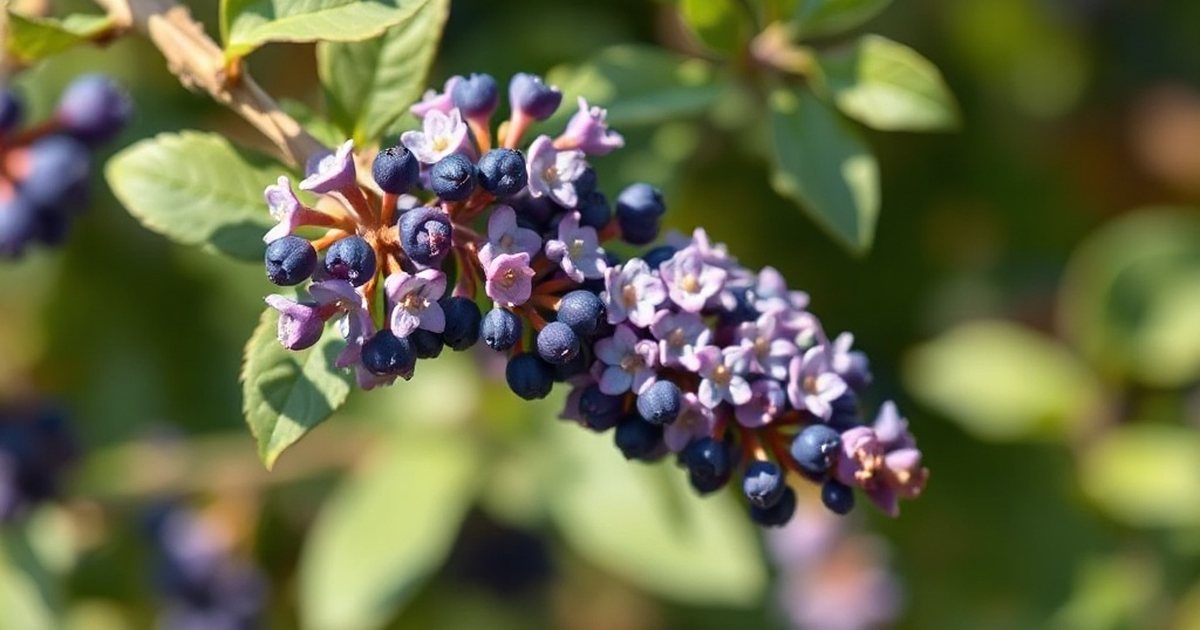
Exploring Vitex’s Influence on FSH in Perimenopause
Follicle-Stimulating Hormone (FSH) levels are often elevated and fluctuating during perimenopause as the body attempts to stimulate declining ovarian function. Managing these fluctuations is a common concern for women in this stage. Direct, high-quality human studies specifically examining the effect of vitex on FSH levels in perimenopausal women are not abundant.

The available evidence from animal models, such as the study on streptozotocin-induced diabetic rats where vitex extract influenced sex hormones, indicates a capacity for vitex to engage with the endocrine system [1]. Another animal study showed Vitex agnus-castus influencing hormonal restoration [2]. These findings, while offering preliminary insights into vitex’s potential to modulate hormones, do not directly translate to its specific effects on FSH in perimenopausal women. The evidence strength for this specific topic remains moderate, highlighting the need for more targeted research.
Considerations for Perimenopausal Women
The perimenopausal transition is marked by significant hormonal shifts, making it a unique physiological context. While vitex has been traditionally used for various reproductive health concerns, its specific impact on the complex hormonal milieu of perimenopause, particularly concerning LH and FSH, requires more dedicated investigation.
Women considering vitex during perimenopause should be aware that the evidence base for its direct influence on LH and FSH in this specific demographic is still developing. General insights from animal studies and broader hormonal research suggest a potential for interaction, but direct confirmation in human perimenopausal women is needed to draw definitive conclusions. It is important to approach such considerations with a balanced perspective, acknowledging both traditional uses and the current scientific understanding.


References
- Effect of Vitex Agnus-Castus Ethanolic Extract on Sex Hormones in Streptozotocin-Induced Diabetic Rats. Journal of family & reproductive health, 2020
- Synergistic Amelioration of Imidacloprid-Induced fertility impairment by Vitex agnus-castus and Nigella sativa in Female Rats: Mechanistic Evidence of Hormonal and Reproductive Restoration. Cell biochemistry and biophysics, 2026
- Treatments in Patients with Polycystic Ovary Syndrome and Effects on Kisspeptin Serum Levels. Maedica, 2022
These statements have not been evaluated by the Food and Drug Administration. This information is not intended to diagnose, treat, cure, or prevent any disease. Content is for informational purposes only and is not medical advice; consult a qualified healthcare provider before starting any supplement. As an Amazon Associate we earn from qualifying purchases.
