Vitex agnus-castus, also known as chasteberry, is a botanical often considered by women seeking support for various aspects of their health, particularly during midlife and menopause. When exploring vitex, you might encounter different forms, each with its own characteristics.
Understanding the distinctions between these forms, such as extracts and tinctures, and how they relate to potency can help you make informed choices. This article will explore these differences to provide a clearer picture of what to consider.
What is Vitex and Why Do Forms Matter?
Vitex agnus-castus is a shrub whose berries are traditionally used in herbal preparations. The plant has been the subject of various studies exploring its properties. For example, some research has looked into the bronchodilator activity of Vitex negundo, a related species [1]. Another study investigated the antibacterial properties of Vitex negundo against oral microbes [2]. While these specific studies reference Vitex negundo, they illustrate the broader scientific interest in the Vitex genus. For Vitex agnus-castus, the form in which it is consumed can influence how the botanical compounds are presented.
The way vitex is prepared can affect the concentration of its active compounds. This is why understanding the differences between common forms like dried berries, powders, liquid extracts, and tinctures is relevant. Each preparation method aims to make the beneficial compounds available, but they do so in distinct ways, potentially leading to different concentrations and absorption profiles.


Dried Berries and Powders: The Whole Plant Approach
The simplest form of vitex is the dried whole berry. These berries can be used to make teas or can be ground into a powder. When consumed as a powder, you are ingesting the entire berry, providing a broad spectrum of its naturally occurring compounds. This approach aligns with traditional herbalism, where the synergy of the whole plant is often valued.
However, the concentration of specific compounds in dried berries or powders can vary naturally depending on factors like growing conditions, harvest time, and processing. This makes standardizing the ‘potency’ of whole berry forms more challenging compared to concentrated extracts. While some research reviews have looked at herbal medicine for conditions like oligomenorrhea and amenorrhea, including Vitex agnus-castus [3], these studies often use standardized preparations, not just raw plant material.
Liquid Extracts: Concentration and Standardization
Liquid extracts are made by soaking vitex berries in a solvent (like alcohol or water) to draw out the active compounds. After the soaking period, the plant material is removed, leaving behind a concentrated liquid. These extracts are often designed to have a specific concentration of certain compounds, which is expressed as a ‘standardization.’ Standardization aims to ensure that each dose contains a consistent amount of key constituents, regardless of natural variations in the raw plant material. This can be particularly useful when trying to understand the effects of a specific botanical.
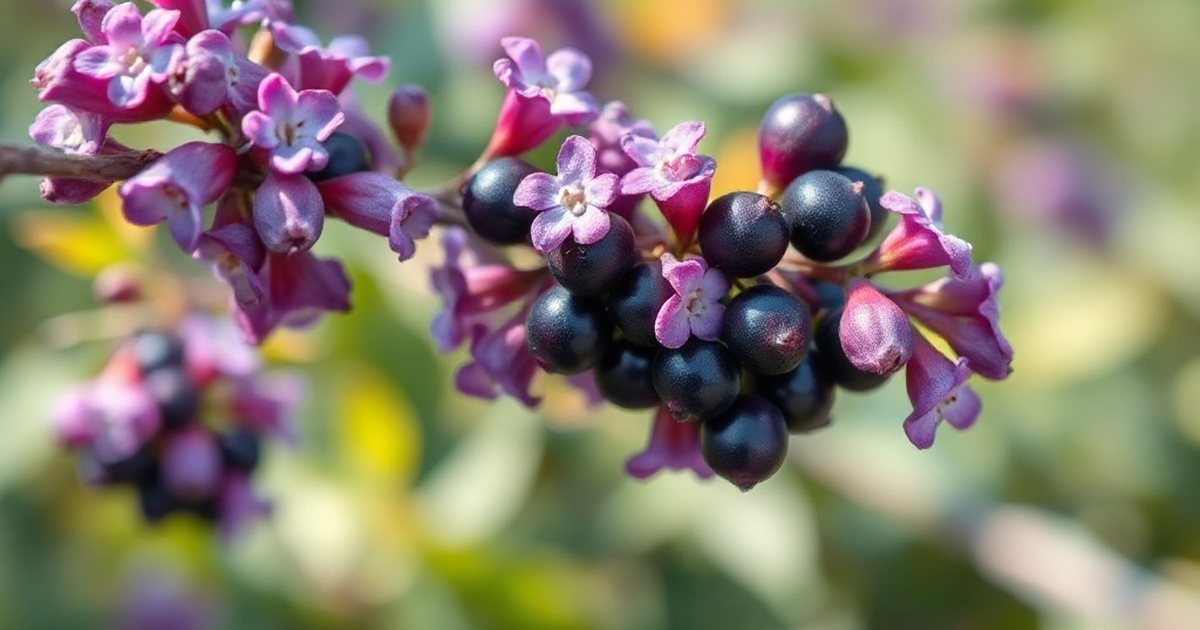
The ‘potency’ of a liquid extract is often indicated by a ratio (e.g., 1:1, 1:2, 1:5). A 1:1 extract means that 1 part of vitex berry was used to make 1 part of the liquid extract. A 1:5 ratio means 1 part of vitex berry was used to make 5 parts of the liquid extract, indicating a less concentrated product than a 1:1 extract. Higher ratios (e.g., 1:1 or 1:2) generally suggest a more concentrated product, meaning you might need a smaller dose to achieve a comparable intake of active compounds. This focus on consistent delivery of compounds is a key difference when considering vitex extract potency differences.
Tinctures: A Specific Type of Liquid Extract
Tinctures are a specific type of liquid extract, typically made using alcohol as the solvent. Alcohol is an effective solvent for many plant compounds and also acts as a preservative, giving tinctures a long shelf life. Like other liquid extracts, tinctures can be formulated to specific potencies, often expressed as a ratio of herb to solvent.
The alcohol content in tinctures can vary, and this is usually indicated on the product label. For those who prefer to avoid alcohol, alcohol-free tinctures or glycerites (where glycerin is used as the solvent) are also available. While the solvent differs, the principle of concentration and potential for standardization remains similar to other liquid extracts. Understanding these details contributes to grasping vitex extract potency differences.

Standardized Extracts and Potency Markers
Some vitex products, particularly capsules and tablets, contain ‘standardized extracts.’ This means the extract has been processed to ensure a specific percentage of certain active compounds. For vitex, these compounds often include agnuside and casticin, which are believed to contribute to its activity. For example, a product might be standardized to contain 0.5% agnuside.
The benefit of standardized extracts is that they offer a more precise and consistent intake of specific compounds. This can be helpful for individuals who want to track their intake of these particular constituents. When evaluating vitex extract potency differences, looking for standardization can provide a clearer indication of the concentration of key compounds.
Choosing Your Vitex Form: Considerations for Potency
When selecting a vitex product, consider what kind of potency information is provided. If you prefer a whole-plant approach, dried berries or powders might be suitable, though their exact compound concentration can vary. If you are looking for a more consistent and measurable intake of specific compounds, liquid extracts, tinctures, or standardized capsule forms might be more appropriate.
Always review product labels carefully. Look for information on the herb-to-solvent ratio for liquid products, or the percentage of standardized compounds for capsules. If a product simply lists ‘vitex’ without further details on concentration or standardization, it can be more challenging to compare its potency to other products. The goal is to select a product that aligns with your preferences for concentration and consistency, especially when navigating vitex extract potency differences.
References
- Insight into the bronchodilator activity of Vitex negundo. Pharmaceutical biology, 2015
- Antibacterial property of Azadirachta indica, Ocimum sanctum, and Vitex negundo against oral microbes. Journal of conservative dentistry : JCD, 2019
- Herbal Medicine for Oligomenorrhea and Amenorrhea: A Systematic Review of Ancient and Conventional Medicine. BioMed research international, 2018
These statements have not been evaluated by the Food and Drug Administration. This information is not intended to diagnose, treat, cure, or prevent any disease. Content is for informational purposes only and is not medical advice; consult a qualified healthcare provider before starting any supplement. As an Amazon Associate we earn from qualifying purchases.
