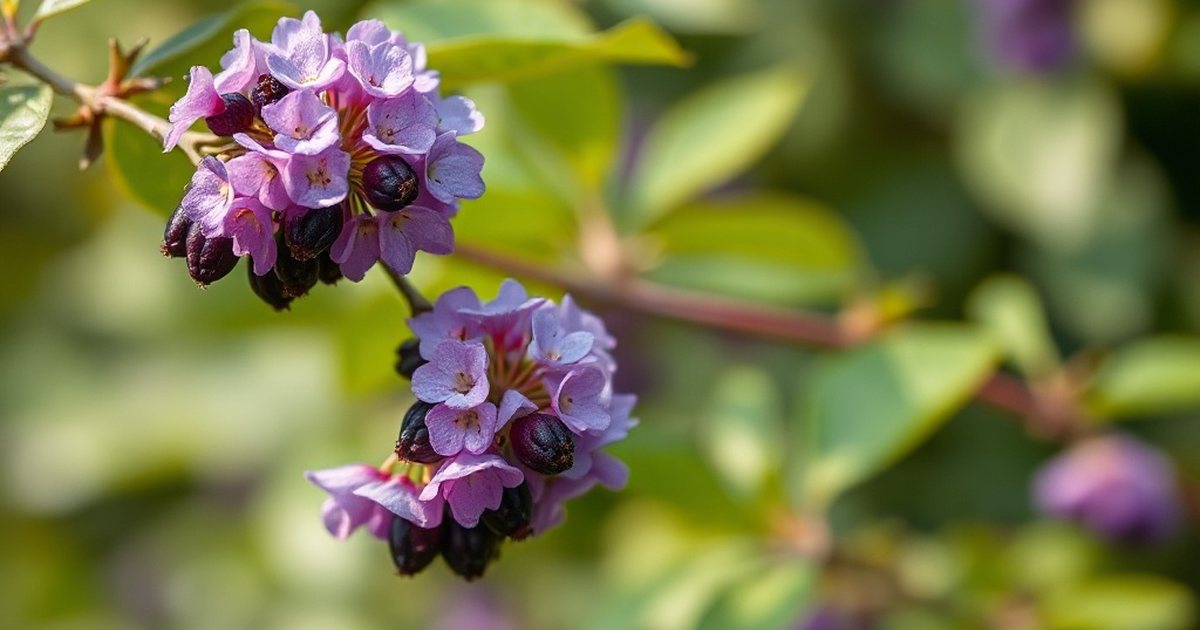
Vitex agnus-castus, also known as chasteberry, is a botanical that has garnered interest for its potential role in supporting female reproductive health. Historically used for various gynecological concerns, modern research is exploring its mechanisms and applications.
This article provides an evidence-based overview of vitex and its potential to support fertility, drawing solely from available scientific literature. It is important to approach such information with a balanced perspective, understanding that research is ongoing and individual responses can vary.
Understanding Vitex’s Mechanism of Action in Reproductive Health
Vitex is thought to exert its effects primarily through its influence on the pituitary gland, indirectly impacting hormone balance. Specifically, it has been observed to influence prolactin levels [1][2]. Prolactin is a hormone that, when elevated, can interfere with ovulation and menstrual cycle regularity, potentially affecting fertility.
By modulating prolactin, vitex may indirectly support a more balanced hormonal environment conducive to regular ovulation. This interaction with the endocrine system is a key area of scientific investigation when considering vitex’s potential applications in reproductive health [2].
Vitex and Menstrual Cycle Regularity
A regular menstrual cycle is often a foundational aspect of reproductive health. Irregular cycles can sometimes indicate ovulatory dysfunction, which may impact conception. Some research indicates that vitex may help support the regularity of the menstrual cycle [3].
By contributing to a more balanced hormonal profile, vitex may help to establish more predictable ovulation patterns, which could be beneficial for individuals trying to conceive. However, the extent and consistency of this effect can vary, and more robust studies are always beneficial to further clarify these observations.
Addressing Elevated Prolactin with Vitex
Hyperprolactinemia, or elevated levels of prolactin, can be a factor in some cases of irregular menstrual cycles and difficulty conceiving. Vitex agnus-castus has been studied for its potential to modulate prolactin levels [1][2].
Research suggests that vitex may help to lower moderately elevated prolactin, thereby potentially supporting the restoration of normal ovulation and cycle function [1]. This mechanism is considered a significant aspect of vitex’s potential utility in fertility support, particularly when hyperprolactinemia is identified as a contributing factor.
Vitex and Polycystic Ovary Syndrome (PCOS)
Polycystic Ovary Syndrome (PCOS) is a complex endocrine disorder that can impact fertility. While vitex is sometimes discussed in relation to PCOS, the evidence for its specific effects on PCOS-related fertility challenges is more limited and mixed. A systematic review noted the inclusion of vitex in some herbal remedies for polycystic ovaries [4].

However, the precise role and efficacy of vitex as a standalone intervention for PCOS-related fertility support require further dedicated research. Individuals with PCOS should consult with a healthcare professional to discuss appropriate management strategies.
Considerations for Using Vitex for Fertility Support
When considering vitex for fertility support, it’s important to recognize that it is not a ‘quick fix’ and its effects may take time to become apparent. Consistent use over several menstrual cycles is often suggested in research settings to observe potential benefits [5].
The overall strength of evidence for vitex in fertility support is considered moderate. While some studies show promising results, particularly concerning prolactin modulation and cycle regularity, more large-scale, placebo-controlled studies are needed to fully characterize its efficacy and optimal application in diverse fertility challenges [3].


References
- Vitex agnus castus effects on hyperprolactinaemia. Frontiers in endocrinology, 2023
- Effects, Mechanisms of Action and Application of Vitex agnus-castus for Improvement of Health and Female Reproduction. Phytotherapy research : PTR, 2025
- Systematic Review of Premenstrual, Postmenstrual and Infertility Disorders of Vitex Agnus Castus. Electronic physician, 2017
- Polycystic ovaries and herbal remedies: A systematic review. JBRA assisted reproduction, 2023
- Chaste Tree. 2012
These statements have not been evaluated by the Food and Drug Administration. This information is not intended to diagnose, treat, cure, or prevent any disease. Content is for informational purposes only and is not medical advice; consult a qualified healthcare provider before starting any supplement. As an Amazon Associate we earn from qualifying purchases.
