Navigating the shifts of midlife often brings new or intensified experiences, including premenstrual syndrome (PMS) symptoms. Many women seek information on herbal options to support their well-being during these times. Two botanicals frequently discussed in this context are vitex (chasteberry) and evening primrose oil (EPO).
This article provides an evidence-based look at vitex and evening primrose oil, focusing on their potential roles in addressing common PMS concerns, particularly breast tenderness. We will explore what the available research suggests about each, helping you understand their differences and potential applications.
Understanding Premenstrual Syndrome (PMS)
Premenstrual syndrome encompasses a range of physical and emotional changes that occur in the days or weeks leading up to menstruation and typically resolve once menstruation begins. These experiences can vary widely among individuals and may include mood shifts, irritability, fatigue, bloating, and breast tenderness. For many women in midlife, these symptoms can become more pronounced or less predictable.
The exact mechanisms behind PMS are not fully understood, but it is thought to involve fluctuating hormone levels, particularly estrogen and progesterone, which can influence neurotransmitters in the brain. Supporting the body’s natural rhythms and responses to these hormonal shifts is often a focus for those seeking to manage PMS symptoms.
Vitex (Chasteberry): Research and Potential Benefits for PMS
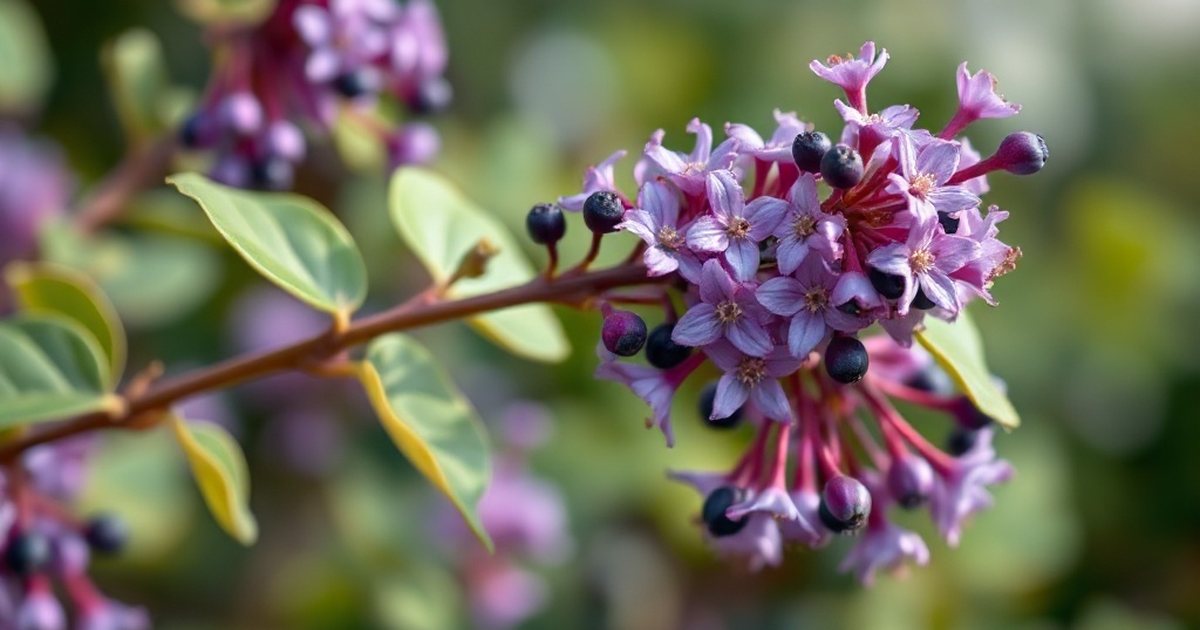
Vitex agnus-castus, also known as chaste tree or chasteberry, is a botanical that has been traditionally used for women’s health concerns. Modern research suggests that vitex may influence the pituitary gland, potentially affecting the release of certain hormones. Specifically, it is thought to interact with dopamine D2 receptors, which can lead to a reduction in prolactin secretion [1]. Elevated prolactin levels are sometimes associated with PMS symptoms, including breast tenderness.
Several studies have investigated vitex’s potential to support women experiencing PMS. A systematic review noted its pharmacology and clinical indications, highlighting its use for premenstrual syndrome [1]. Another study involving a phytopharmaceutical formulation containing Vitex agnus-castus found it to be helpful for various PMS symptoms [2].
Furthermore, research has explored the dose-dependent efficacy of Vitex agnus-castus extract in individuals experiencing premenstrual syndrome. One study indicated that a specific extract showed dose-dependent benefits for PMS symptoms [3]. These findings suggest vitex may offer support for a range of PMS manifestations, including breast tenderness, by potentially influencing hormonal balance.


Evening Primrose Oil (EPO): Traditional Use and Current Evidence
Evening primrose oil (EPO) is derived from the seeds of the evening primrose plant (Oenothera biennis) and is a source of gamma-linolenic acid (GLA), an omega-6 fatty acid. EPO has been a popular traditional choice for women seeking to manage PMS symptoms, particularly breast tenderness. The theory behind its use for PMS often relates to its GLA content, which is a precursor to prostaglandins, compounds involved in inflammation and hormone regulation.
While EPO has been widely used, the scientific evidence supporting its effectiveness for PMS symptoms, including breast tenderness, is less consistent than for vitex. Some studies have suggested potential benefits, while others have not found a significant difference compared to placebo. The mechanisms by which EPO might influence PMS are still being explored, and research findings have been mixed. For breast tenderness specifically, some women report anecdotal relief, but rigorous scientific consensus on its efficacy for this symptom is not as strong or consistent across all studies when compared to the existing research on vitex for PMS.
It’s important to note that while EPO is generally considered safe for most people, individual responses can vary. When considering EPO for PMS symptoms, it’s helpful to discuss with a healthcare provider, especially given the varying strength of the evidence.
Vitex vs. Evening Primrose Oil: A Comparison for PMS and Breast Tenderness
When comparing vitex and evening primrose oil for managing PMS symptoms, particularly breast tenderness, the available evidence points to vitex having more consistent research support. Vitex’s proposed mechanism of action, involving its potential influence on prolactin levels, directly relates to a common factor associated with breast discomfort during the premenstrual phase [1]. Studies have explored vitex’s benefits for a range of PMS symptoms, including breast tenderness [2][3].
Evening primrose oil, while popular, has a less robust and more mixed body of evidence specifically for PMS and breast tenderness. Its mechanism, centered around GLA and prostaglandin production, is theoretically sound, but clinical trials have yielded varied results. This doesn’t mean EPO is without benefit for some individuals, but when looking for evidence-based support for PMS symptoms, particularly breast tenderness, vitex appears to have stronger and more consistent research behind it.

Choosing between these two botanicals often comes down to individual needs and the specific nature of the symptoms. For those whose PMS involves significant breast tenderness and a broader range of emotional and physical symptoms, vitex might be a more directly supported option based on current research. For others, EPO might be considered, but with an understanding of its more varied research profile.
Safety and Considerations for Use
Both vitex and evening primrose oil are generally well-tolerated by most individuals, but like any supplement, they can have potential considerations. For vitex, reported adverse events are typically mild and infrequent, including gastrointestinal discomfort, headache, and skin rash [4]. It’s always wise to start with a lower dose to assess individual tolerance.
Evening primrose oil can also cause mild side effects such as nausea, indigestion, and headache. Both supplements may interact with certain medications, and individuals with specific health conditions, such as hormone-sensitive conditions or those taking hormonal contraceptives or psychiatric medications, should exercise caution and consult a healthcare professional before use. This is particularly important as vitex may influence hormone levels [1].
It is crucial to source high-quality supplements from reputable manufacturers. Always adhere to recommended dosages and discontinue use if adverse reactions occur. Discussing any new supplement with a healthcare provider is a sensible step, especially for those with existing health concerns or who are taking other medications.
References
- Chaste tree (Vitex agnus-castus)–pharmacology and clinical indications. Phytomedicine : international journal of phytotherapy and phytopharmacology, 2003
- Treatment of premenstrual syndrome with a phytopharmaceutical formulation containing Vitex agnus castus. Journal of women’s health & gender-based medicine, 2000
- Dose-dependent efficacy of the Vitex agnus castus extract Ze 440 in patients suffering from premenstrual syndrome. Phytomedicine : international journal of phytotherapy and phytopharmacology, 2012
- Vitex agnus castus: a systematic review of adverse events. Drug safety, 2005
These statements have not been evaluated by the Food and Drug Administration. This information is not intended to diagnose, treat, cure, or prevent any disease. Content is for informational purposes only and is not medical advice; consult a qualified healthcare provider before starting any supplement. As an Amazon Associate we earn from qualifying purchases.
