Vitex agnus-castus, also known as chasteberry, is an herb that women sometimes consider during perimenopause. It’s available in several forms, including capsules, liquid tinctures, and powders. Understanding the characteristics of each form may help in making an informed decision about its use.
This article provides an overview of these common vitex supplement forms, discussing their typical compositions, how they are generally used, and factors that might influence their suitability for individuals navigating the changes of perimenopause. Our aim is to offer clear, evidence-based information without making health claims.
Understanding Vitex and Its Potential Role in Perimenopause
Vitex agnus-castus has a long history of traditional use, often associated with women’s hormonal balance. While research on its specific effects during perimenopause is still developing, some women explore its use for various aspects of their midlife journey. It’s important to remember that individual responses to herbal supplements can vary, and more robust research is often needed to fully understand their mechanisms and efficacy.
The active compounds within vitex are thought to interact with certain physiological pathways. For instance, some research has explored the enzymatic inhibitory activity of Vitex polygama Cham extracts [1]. These types of studies contribute to our understanding of how the plant might exert its effects, though direct clinical application for perimenopause requires further investigation.
Vitex Capsules: Convenience and Standardized Dosing
Vitex capsules are perhaps one of the most widely available and convenient forms of this supplement. They typically contain dried, powdered vitex fruit extract or pulverized whole herb, encapsulated in a gelatin or vegetarian shell. One of the main advantages of capsules is their ease of use and portability, requiring no preparation beyond swallowing with water.
Many vitex capsule products are standardized to contain a specific concentration of active compounds, though the exact compounds and standardization methods can vary between manufacturers. This standardization aims to provide a consistent dose with each capsule, which can be helpful for individuals who prefer a predictable intake. However, the bioavailability of compounds from dried herb in capsules can sometimes differ from liquid forms, though this is not unique to vitex.
For women considering vitex during perimenopause, capsules offer a straightforward approach to incorporating the herb into their routine. It’s always advisable to check the product label for details on the form of vitex (e.g., extract ratio, standardization), as this can influence the concentration of active components.


Vitex Tinctures: Liquid Extracts and Absorption Considerations
Vitex tinctures are liquid extracts made by macerating vitex berries in alcohol (or sometimes glycerin or vinegar) to extract the active compounds. This process results in a concentrated liquid that is typically taken by dropping a small amount into water or juice. Tinctures are often favored by individuals who prefer liquid supplements or have difficulty swallowing capsules.
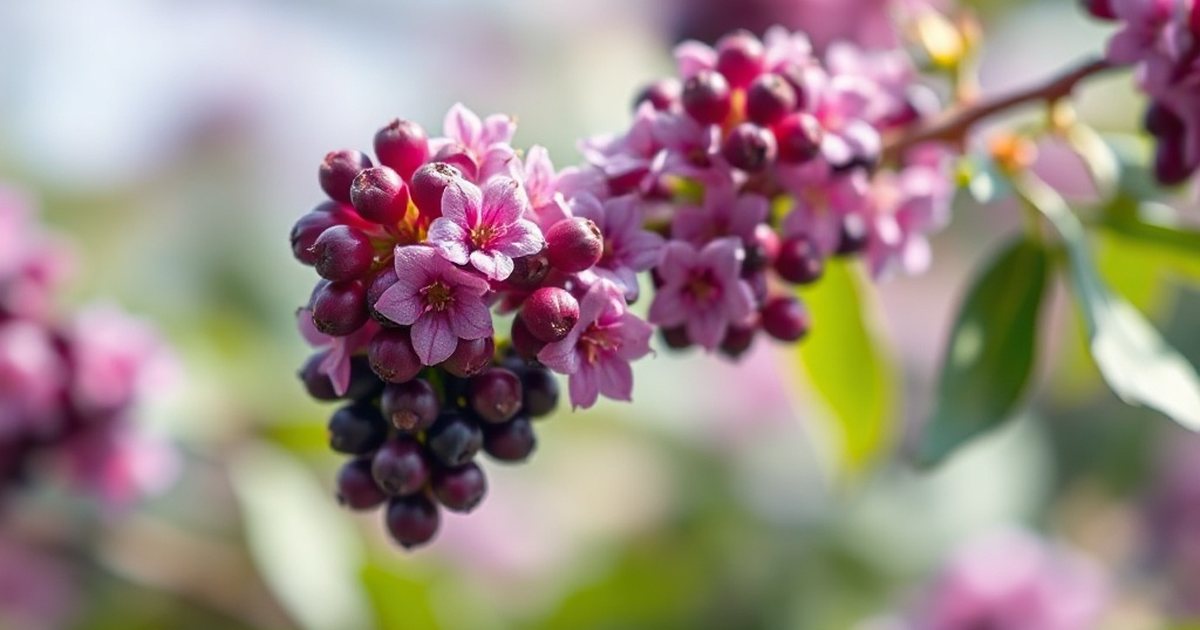
One perceived advantage of tinctures is their potential for quicker absorption, as the active compounds are already dissolved in a liquid medium. This might allow for more rapid entry into the bloodstream compared to capsules that first need to dissolve in the digestive tract. However, specific comparative research on the absorption rates of different vitex forms in humans is limited. The alcohol content in some tinctures is also a consideration for certain individuals.
When using tinctures, it’s important to follow the dosing instructions carefully, as they are concentrated. The strength of tinctures can vary significantly between brands, often indicated by an herb-to-solvent ratio (e.g., 1:5). This ratio helps indicate the concentration of the extract. Some studies have explored extracts of vitex, such as those from Vitex polygama Cham, which showed enzymatic inhibitory activity [1], highlighting the presence of active compounds in such preparations.
Vitex Powders: Versatility and Customization Potential
Vitex powders are typically made from dried and ground vitex berries. This form offers a high degree of versatility, as the powder can be mixed into smoothies, yogurts, or other foods and beverages. For individuals who prefer to avoid binders, fillers, or capsules, powders can be an appealing option. They also allow for more flexible dosing, as the amount can be adjusted more precisely than with pre-measured capsules or even tinctures, although precise measurement still requires a scale.
However, working with powders requires careful measurement to ensure consistent intake. Without proper measurement tools, there’s a greater potential for variability in the amount consumed daily. The taste of vitex powder can also be a factor for some users, as it may have a distinct flavor that needs to be masked in food or drink.

While powders offer flexibility, they may not undergo the same level of standardization for specific active compounds as some encapsulated extracts. When considering vitex powder for perimenopause, it’s important to source from reputable suppliers who provide information on the purity and origin of their product.
Factors to Consider When Choosing a Vitex Form
When deciding between vitex forms, several factors may influence your choice. Personal preference plays a significant role – some individuals prefer the simplicity of a capsule, while others appreciate the flexibility of a liquid or powder. Lifestyle considerations, such as ease of travel or daily routine, can also guide the decision.
Bioavailability and absorption are often discussed, with tinctures sometimes perceived to have an advantage due to their liquid nature. However, high-quality encapsulated extracts can also be formulated for good absorption. The consistency of dosing is another key factor; standardized capsules and carefully measured tinctures or powders aim to deliver a predictable amount of the herb.
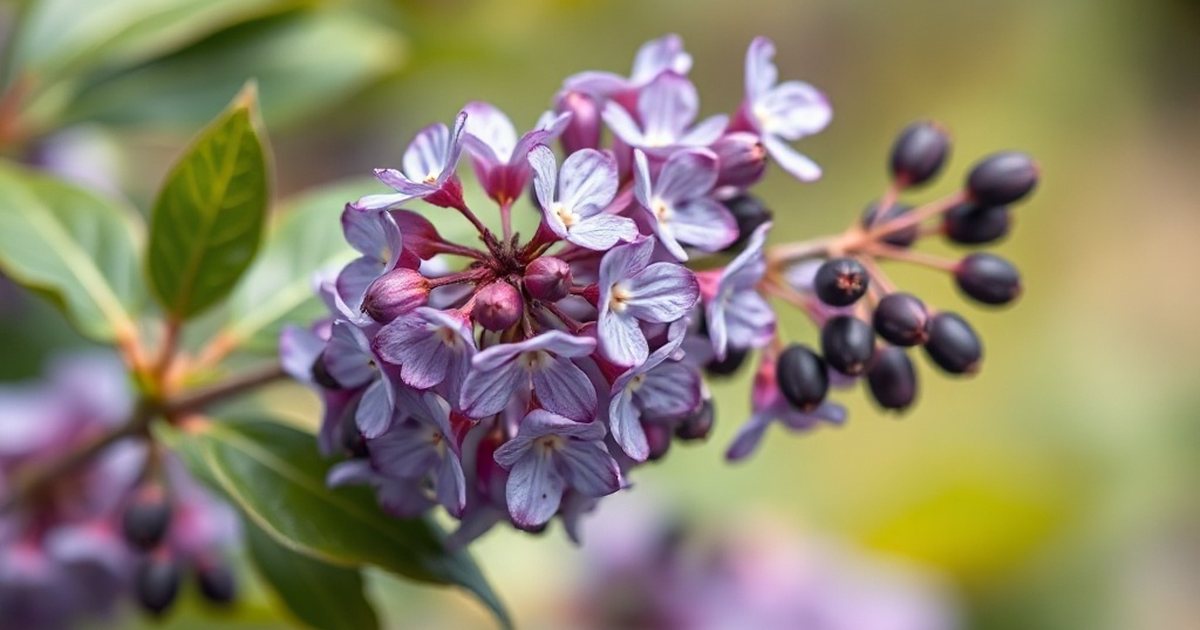
Always review the product label for details on ingredients, concentrations, and recommended usage. For instance, some vitex extracts, like those from Vitex polygama Cham, have been studied for their biological activities [1], suggesting that the extraction process can influence the presence of active components. Consulting with a healthcare provider can also help in determining the most suitable form and approach for your individual needs during perimenopause.


References
- Enzymatic inhibitory activity and trypanocidal effects of extracts and compounds from Siphoneugena densiflora O. Berg and Vitex polygama Cham. Zeitschrift fur Naturforschung. C, Journal of biosciences, 2008
These statements have not been evaluated by the Food and Drug Administration. This information is not intended to diagnose, treat, cure, or prevent any disease. Content is for informational purposes only and is not medical advice; consult a qualified healthcare provider before starting any supplement. As an Amazon Associate we earn from qualifying purchases.
