Navigating perimenopause often involves exploring various options to support well-being. Vitex agnus-castus, also known as chasteberry, is an herbal extract that some women consider for managing certain symptoms during this transitional phase.
When considering any supplement, understanding its safety profile, especially with longer-term use, is crucial. This article reviews available evidence regarding the long-term safety of vitex, particularly in the context of perimenopausal symptoms.
Understanding Vitex and Perimenopause
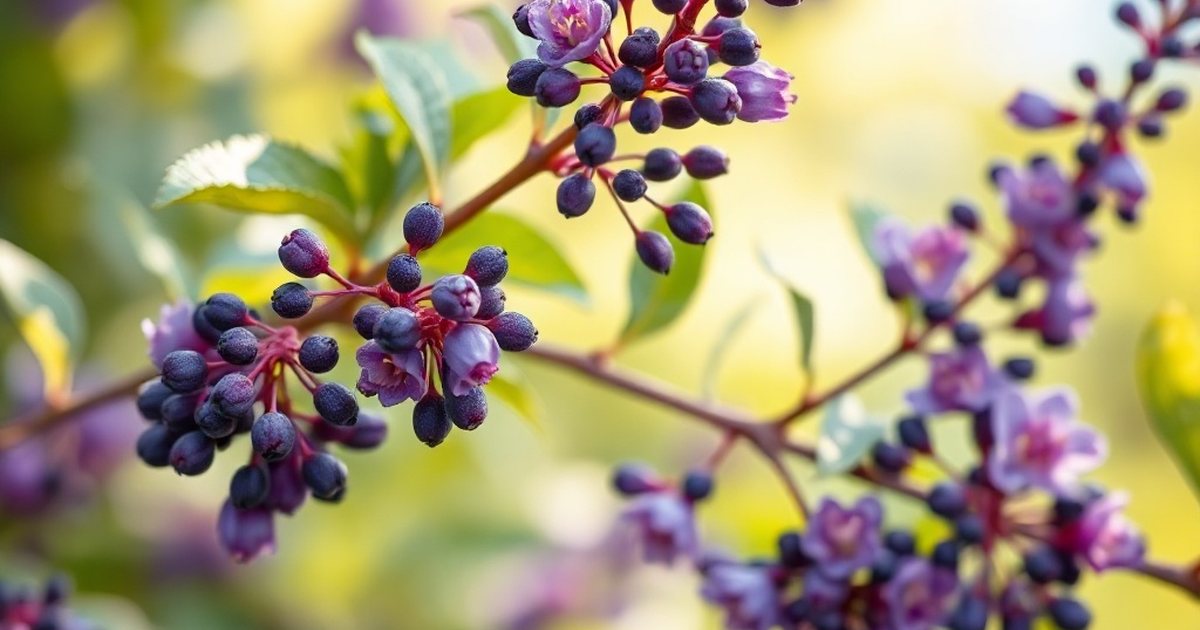
Vitex agnus-castus is a shrub whose fruits have been traditionally used in herbal medicine. It is often considered for supporting hormonal balance, particularly in contexts related to the menstrual cycle. Perimenopause is the natural transition leading up to menopause, characterized by fluctuating hormone levels that can contribute to a range of symptoms.
While vitex is more commonly studied for conditions like premenstrual syndrome (PMS) and polycystic ovary syndrome (PCOS) [1][2], its potential role in perimenopausal symptom management is also of interest to women seeking support during this time. The focus here is on its safety when used over an extended period.


Reviewing Long-Term Safety Data for Vitex
When assessing the long-term safety of an herbal supplement, researchers look for studies that monitor participants over several months or even years. While extensive long-term safety data specifically focused on perimenopausal women using vitex alone is not abundant, some studies provide insights into its tolerability over extended periods in related contexts.
One study that included vitex in a combination formula with soy isoflavones and magnolia observed the long-term safety and effectiveness for relieving sleep disturbances and vasomotor symptoms in postmenopausal women. This study assessed participants over a 12-month period [3]. The findings from this particular study suggested the combination was well-tolerated over this duration, indicating that vitex, as part of a multi-ingredient product, did not raise significant safety concerns within that timeframe [3].
Other reviews of herbs commonly used by women have also touched upon vitex, noting its general safety profile in various applications, though not always with a specific long-term perimenopausal focus [4][5]. These broader reviews help contextualize the overall understanding of vitex tolerability.
Tolerability and Reported Side Effects
Across various studies, vitex is generally considered well-tolerated. Reported side effects are typically mild and infrequent. These can include gastrointestinal upset, skin rash, headache, and dizziness. It’s important to note that these adverse events are usually not severe enough to cause participants to discontinue use.
A real-world, interventional study evaluating a nutraceutical composition containing Vitex agnus-castus extract, pyridoxine, and magnesium for premenstrual syndrome, for example, monitored tolerability. While this study was for PMS, it provides insight into the safety profile of vitex extract over a period of use, reporting good tolerability [1]. The side effect profile observed in such studies contributes to our understanding of vitex’s safety when used for several menstrual cycles, which can be analogous to longer-term use in other contexts.
Considerations for Long-Term Use in Perimenopause
While evidence suggests that vitex is generally well-tolerated over several months, specific long-term studies (e.g., beyond one year) solely focused on perimenopausal women and vitex monotherapy are limited. The available data often comes from studies on other conditions or from formulations combining vitex with other ingredients [3][1]. This means that while existing evidence is reassuring, direct long-term safety conclusions specifically for vitex in perimenopause should be drawn with appropriate caution.

It is always important to consider individual responses to supplements. What is well-tolerated by one person may not be by another. Monitoring for any changes in symptoms or new effects when starting or continuing vitex, particularly over an extended period, is a sensible approach.
Interactions and Contraindications
Women considering vitex should be aware of potential interactions with certain medications. Vitex may interact with hormone-sensitive medications, including oral contraceptives, hormone replacement therapy (HRT), and fertility drugs, due to its influence on hormone levels. It may also interact with dopamine agonists and antagonists. While specific long-term interaction studies are limited, these potential interactions are important to discuss with a healthcare provider.
Additionally, vitex is generally not recommended for use during pregnancy or breastfeeding. Women with hormone-sensitive conditions, such as certain cancers, should also use caution and consult with a healthcare professional before considering vitex.
References
- Efficacy and Tolerability Evaluation of a Nutraceutical Composition Containing Vitex agnus-castus Extract (EVX40™), Pyridoxine, and Magnesium in Premenstrual Syndrome: A Real-World, Interventional, Comparative Study. Cureus, 2023
- A comprehensive review of clinical studies with herbal medicine on polycystic ovary syndrome (PCOS). Daru : journal of Faculty of Pharmacy, Tehran University of Medical Sciences, 2019
- Adding Agnus Castus and Magnolia to Soy Isoflavones Relieves Sleep Disturbances Besides Postmenopausal Vasomotor Symptoms-Long Term Safety and Effectiveness. Nutrients, 2017
- Herbs commonly used by women: an evidence-based review. Disease-a-month : DM, 2002
- Herbs commonly used by women: an evidence-based review. American journal of obstetrics and gynecology, 2003
These statements have not been evaluated by the Food and Drug Administration. This information is not intended to diagnose, treat, cure, or prevent any disease. Content is for informational purposes only and is not medical advice; consult a qualified healthcare provider before starting any supplement. As an Amazon Associate we earn from qualifying purchases.
