Perimenopause is a transitional phase leading up to menopause, often marked by fluctuating hormones and a range of new or intensifying experiences. Many women seek non-pharmacological approaches to support their well-being during this time.
Vitex agnus-castus, also known as chasteberry, is an herbal supplement that has garnered interest for its potential role in hormone balance. For those considering its use during perimenopause, understanding the existing evidence regarding its long-term safety and efficacy is important.
Understanding Vitex and Perimenopausal Support
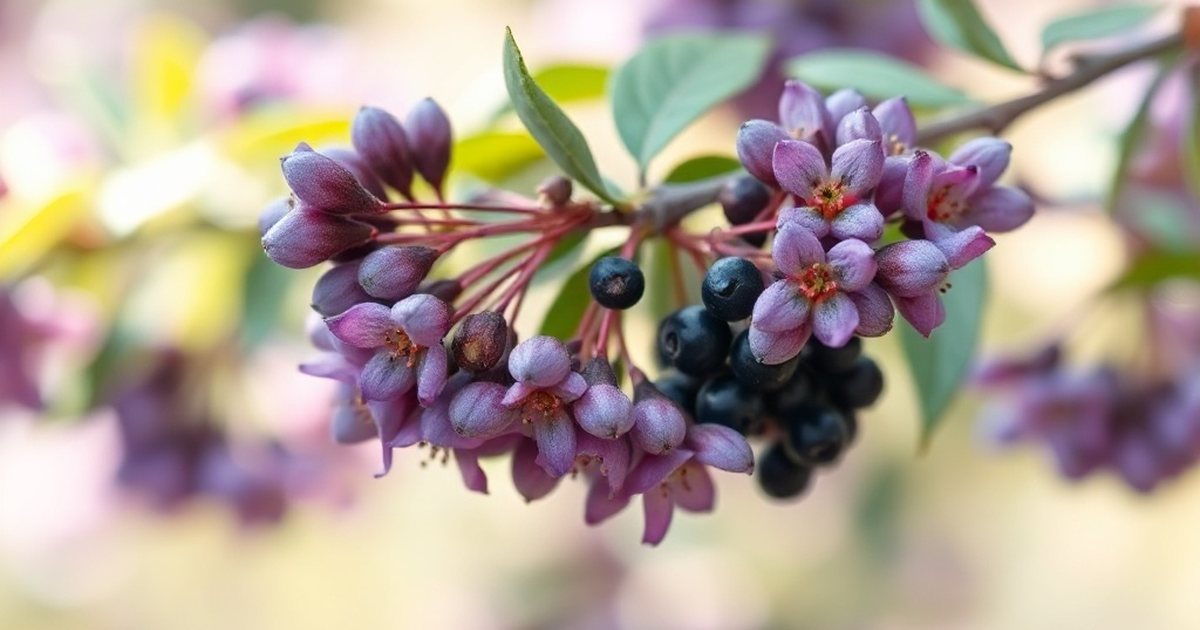
Vitex is derived from the fruit of the chasteberry tree. Its historical use often centers around supporting women’s reproductive health, particularly in areas related to menstrual cycle regularity and premenstrual discomfort [1]. The mechanisms by which vitex may exert its effects are thought to involve its interaction with neurotransmitters and hormones, though research is ongoing.
During perimenopause, hormonal fluctuations, especially of estrogen and progesterone, can lead to various symptoms. These may include irregular periods, hot flashes, sleep disturbances, and mood changes. While vitex is not directly studied for all perimenopausal symptoms, its traditional applications suggest a potential role in supporting hormonal balance, which may indirectly influence some of these experiences.
Efficacy of Vitex for Perimenopausal Symptoms
While much of the research on vitex focuses on premenstrual syndrome (PMS) and conditions like polycystic ovary syndrome (PCOS), where it has shown some promise in symptom management [2][3], direct long-term studies specifically on vitex for perimenopausal symptoms are less extensive.
However, some broader studies involving herbal combinations that include vitex have explored outcomes relevant to perimenopause. For instance, a study examining a combination of Agnus Castus (vitex) and Magnolia with soy isoflavones found relief for sleep disturbances and postmenopausal vasomotor symptoms over the long term [4]. This suggests that vitex, particularly as part of a multi-ingredient approach, might contribute to mitigating certain perimenopausal discomforts, such as sleep issues and hot flashes, though the specific contribution of vitex alone is not isolated in this context.
Safety Profile of Vitex for Long-Term Use
The safety of vitex has been evaluated across various studies, often showing a favorable tolerability profile. In clinical studies, vitex has generally been considered well-tolerated, with side effects typically mild and infrequent [2][5]. Common reported side effects, when they occur, can include gastrointestinal upset, headache, or skin reactions.
Regarding long-term use, the study involving Agnus Castus and Magnolia in combination with soy isoflavones reported on long-term safety and effectiveness without highlighting significant adverse events specifically attributed to the vitex component [4]. This suggests that for some individuals, vitex may be suitable for extended periods, especially when used under appropriate guidance. However, it’s always important to monitor individual responses.
It’s crucial to note that while generally well-tolerated, vitex can interact with certain medications, particularly those affecting hormones or neurotransmitters. Therefore, discussing any herbal supplement use with a healthcare provider is essential, especially when considering long-term use during a hormonally dynamic phase like perimenopause.

Considerations for Using Vitex in Perimenopause
When considering vitex for perimenopausal support, several factors are worth noting. Perimenopause is characterized by significant hormonal shifts, and individual responses to vitex can vary. What works for one person may not work for another.
The evidence for vitex in perimenopause is considered moderate, with some promising indications, particularly for symptoms like sleep disturbances when part of a combination [4]. However, direct, large-scale studies focusing solely on vitex for a comprehensive range of perimenopausal symptoms are less common. This means that while vitex has a history of use for women’s health, its specific role and optimal duration for perimenopausal symptoms are still areas where more dedicated research would be beneficial.
Dosage and formulation can also play a role in efficacy and safety. Different vitex extracts may have varying concentrations of active compounds. Adhering to manufacturer guidelines or professional recommendations is important. Regular check-ins with a healthcare provider can help assess ongoing suitability and monitor for any unexpected effects.


References
- Herbs commonly used by women: an evidence-based review. American journal of obstetrics and gynecology, 2003
- Efficacy and Tolerability Evaluation of a Nutraceutical Composition Containing Vitex agnus-castus Extract (EVX40™), Pyridoxine, and Magnesium in Premenstrual Syndrome: A Real-World, Interventional, Comparative Study. Cureus, 2023
- A comprehensive review of clinical studies with herbal medicine on polycystic ovary syndrome (PCOS). Daru : journal of Faculty of Pharmacy, Tehran University of Medical Sciences, 2019
- Adding Agnus Castus and Magnolia to Soy Isoflavones Relieves Sleep Disturbances Besides Postmenopausal Vasomotor Symptoms-Long Term Safety and Effectiveness. Nutrients, 2017
- Herbs commonly used by women: an evidence-based review. Disease-a-month : DM, 2002
These statements have not been evaluated by the Food and Drug Administration. This information is not intended to diagnose, treat, cure, or prevent any disease. Content is for informational purposes only and is not medical advice; consult a qualified healthcare provider before starting any supplement. As an Amazon Associate we earn from qualifying purchases.
