Headaches and migraines are common experiences for many women, and their patterns can sometimes shift during the perimenopausal transition. Fluctuating hormone levels, particularly estrogen, are often considered a contributing factor to these changes.
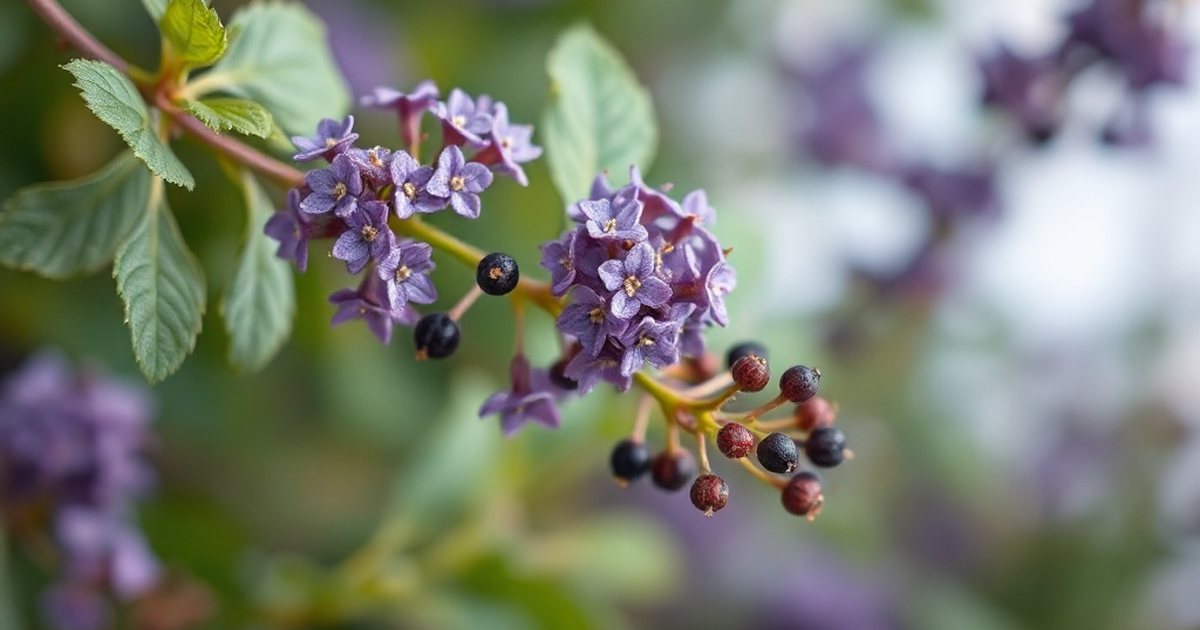
Vitex agnus-castus, also known as chasteberry, is an herbal supplement frequently used to support hormonal balance. Given its traditional applications, some women wonder if vitex might offer support for headaches or migraines experienced during perimenopause. This article explores the available evidence.
Understanding Perimenopausal Headaches and Migraines
Perimenopause is the transitional phase leading up to menopause, marked by irregular menstrual cycles and fluctuating hormone levels. Many women report changes in headache frequency, intensity, or type during this time. For some, existing migraines may worsen, while others might experience new headache patterns.
The precise mechanisms are complex, but the ebb and flow of estrogen are thought to play a role. As ovarian function declines, estrogen levels can rise and fall unpredictably, which may influence neurochemical pathways involved in headache susceptibility. Identifying potential supportive strategies is a common concern for women navigating these changes.
How Vitex Might Influence Headache Patterns
Vitex is traditionally understood to influence the pituitary gland, potentially affecting the release of certain hormones. While it does not directly contain hormones, its actions are thought to indirectly impact the balance of progesterone and estrogen by influencing dopamine receptors. This indirect hormonal modulation is the basis for its historical use in various menstrual cycle-related concerns.
For headaches and migraines that appear to be linked to hormonal fluctuations, particularly those with a cyclical pattern, it is hypothesized that vitex’s potential to support hormonal balance might offer some relief. However, direct evidence specifically linking vitex to headache relief in perimenopausal women is still developing.


Evidence for Vitex in Headaches and Migraines
Research into vitex for headaches and migraines has primarily focused on its use in the context of premenstrual syndrome (PMS) or premenstrual dysphoric disorder (PMDD), where hormonal fluctuations are also a key factor. One open-label clinical observation explored the use of Vitex agnus-castus in women experiencing migraines with premenstrual syndrome.
In this observation, women with migraines linked to their menstrual cycle reported a reduction in the number of migraine attacks per month after three months of vitex supplementation. The intensity and duration of the migraine attacks also reportedly decreased [1].
It is important to note that this was an open-label clinical observation, which means participants knew they were receiving vitex, and it did not include a placebo control group. While these findings are interesting, they represent an early stage of research and may not be directly generalizable to all types of headaches or to the specific hormonal landscape of perimenopause. The study focused on premenstrual syndrome, which differs from the complex hormonal shifts of perimenopause.

Interpreting the Evidence for Perimenopause
While the study mentioned provides some initial insights into vitex’s potential role in hormonally-linked migraines, it’s crucial to consider the context. Perimenopause involves a different and often more unpredictable hormonal environment than the regular cyclical changes associated with PMS.
Currently, direct, robust evidence specifically examining vitex for headaches or migraines that emerge or worsen during perimenopause is limited. The existing research suggests a potential connection for premenstrual migraines, but further dedicated studies are needed to determine if these benefits extend specifically to the perimenopausal population and the unique headache patterns experienced during this life stage.
Women considering vitex for perimenopausal headaches or migraines should approach it with realistic expectations, understanding that the evidence is moderate and largely extrapolated from studies in younger populations with different hormonal profiles.
References
- Use of Vitex agnus-castus in migrainous women with premenstrual syndrome: an open-label clinical observation. Acta neurologica Belgica, 2013
These statements have not been evaluated by the Food and Drug Administration. This information is not intended to diagnose, treat, cure, or prevent any disease. Content is for informational purposes only and is not medical advice; consult a qualified healthcare provider before starting any supplement. As an Amazon Associate we earn from qualifying purchases.
