As you navigate the ever-shifting landscape of your hormones in your late 30s and 40s, questions about managing premenstrual syndrome (PMS), irregular cycles, and the initial signs of perimenopause become increasingly common. You might be experiencing more intense mood swings, breast tenderness, or unpredictable periods, leading you to seek natural solutions.
One herbal remedy that frequently appears in discussions around female hormonal health is Vitex agnus-castus, commonly known as chasteberry. But with so many options available, from lifestyle adjustments to pharmaceutical interventions, how does Vitex truly compare to other approaches? This article, updated for 2026, will provide an evidence-based look at Vitex and its alternatives.
VitexHub participates in affiliate programs, including Amazon Associates. This means we may earn a small commission from qualifying purchases made through links in this article, at no extra cost to you.
Understanding Vitex: Mechanism of Action
Vitex agnus-castus is believed to exert its effects primarily through its influence on the pituitary gland, a key regulator of the endocrine system. The compounds responsible are more specific than the herb’s marketing usually suggests. When researchers fractionated the standardised extract Ze 440 and tested the pieces against the human dopamine D2 receptor, the activity sat with the diterpenes and, unexpectedly, the triterpenes: viteagnusin I and rotundifuran were active, while vitexilactone was not [1]. The flavonoids, by contrast, are the compounds that turn up binding opioid receptors rather than D2 [2]. So “the flavonoids act on dopamine receptors” is the wrong shorthand, and it matters when you are comparing products standardised to different marker compounds.
This interaction can lead to a reduction in prolactin secretion. Elevated prolactin levels are sometimes associated with symptoms like breast tenderness and cycle irregularities, particularly in cases of latent hyperprolactinemia.
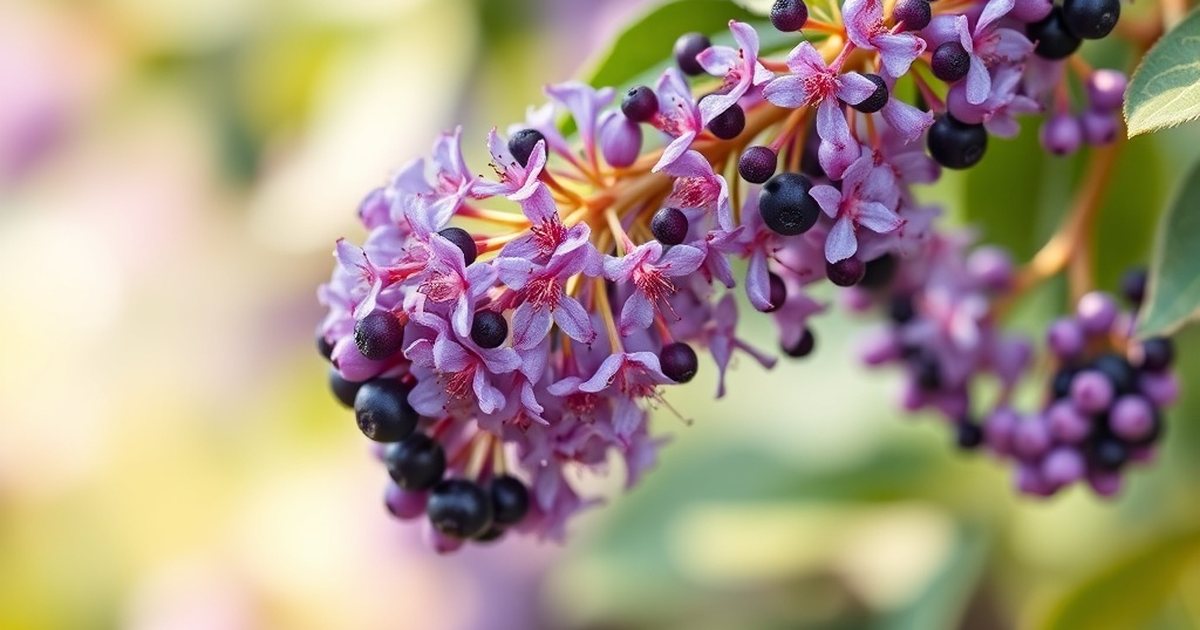
By modestly lowering prolactin, Vitex is thought to indirectly support a more balanced progesterone to estrogen ratio in the luteal phase of the menstrual cycle. It is important to note that Vitex does not contain hormones itself, nor does it directly stimulate progesterone production.
Vitex for PMS and PMDD: Evidence and Efficacy
Vitex has been studied more for PMS than for anything else, and less for premenstrual dysphoric disorder (PMDD). A 2019 meta-analysis that admitted only properly characterised, double-blind, placebo-controlled trials found three qualifying studies covering 520 women, in which Vitex users were 2.57 times more likely to reach remission than placebo users, with a confidence interval from 1.52 to 4.35 [3]. A broader 2017 meta-analysis of fourteen trials found a large pooled effect but judged the evidence too heterogeneous and too prone to bias to support a definitive conclusion [4]. Both matter when you weigh Vitex against an alternative: the direction is consistent, the certainty is not.
Symptoms such as irritability, mood swings, breast pain, bloating, and headaches have shown improvement with consistent Vitex use. The benefits typically emerge after two to three months of daily supplementation.
For PMDD, while some studies show promise, the evidence is not as robust or consistent as for general PMS. PMDD often involves more severe mood disturbances, and other interventions may be more appropriate or necessary.

Comparison with SSRIs for PMDD
Selective serotonin reuptake inhibitors (SSRIs) are a first-line pharmaceutical treatment for PMDD. They work by increasing serotonin levels in the brain, directly addressing the neurochemical imbalances often implicated in severe premenstrual mood disorders.
While Vitex may offer some relief for mood symptoms, its mechanism is indirect and generally less potent than SSRIs for severe cases. Women with debilitating PMDD should consult their healthcare provider to discuss all treatment options, including prescription medications.
Vitex for Cycle Irregularity and Early Perimenopause
Beyond PMS, Vitex is also considered for supporting menstrual cycle regularity, especially in cases of luteal phase defect or anovulatory cycles. By potentially normalizing prolactin levels, it can contribute to a more predictable ovulation and a healthier luteal phase.
In early perimenopause, as hormone fluctuations begin, cycles can become shorter, longer, or more irregular. Vitex may help stabilize these patterns by supporting the delicate balance of pituitary hormones.
However, it is crucial to understand that Vitex is not a treatment for significant hormonal deficiencies or for conditions like polycystic ovary syndrome (PCOS) where underlying metabolic issues are primary. Its role is more modulatory.
Comparison with Hormonal Birth Control
Hormonal birth control, such as oral contraceptives, works by directly supplying synthetic hormones to override the natural cycle, creating a predictable, often lighter, withdrawal bleed. This effectively controls cycle irregularity and many PMS symptoms.
Vitex, in contrast, aims to support the body’s own hormonal regulation without introducing exogenous hormones. It is a gentler, slower-acting approach that requires the body’s endocrine system to still be capable of responding.
For women seeking contraception or immediate, strong control over severe symptoms, hormonal birth control remains a highly effective option, but it comes with its own set of considerations and potential side effects.

Ready to buy? Check current prices on Amazon and compare deals before you decide.
Safety, Side Effects, and Contraindications
Vitex is generally well-tolerated, with most side effects being mild and infrequent. These can include gastrointestinal upset, headache, dizziness, or skin rash. If you experience any adverse reactions, discontinue use and consult your doctor.
Because Vitex influences dopamine and prolactin pathways, it is not appropriate for everyone. Women on hormone replacement therapy (HRT) or certain medications should avoid Vitex due to potential interactions.
Specifically, Vitex should not be used concurrently with dopamine agonists or antagonists, antipsychotic medications, or estrogen-containing medications like oral contraceptives. It is also generally advised against during pregnancy and breastfeeding, as its effects on these states are not fully understood.
Natural Alternatives and Lifestyle Approaches
Before considering any supplement or medication, lifestyle modifications form the foundation of hormonal health. These can significantly impact PMS, cycle regularity, and perimenopausal symptoms.
Regular exercise, a balanced diet rich in whole foods, adequate sleep, and stress management techniques like mindfulness or yoga are powerful tools. These approaches support overall endocrine function and can reduce inflammation and improve mood.
Other natural supplements are also sometimes used to address similar concerns. These often work through different mechanisms than Vitex.
| Condition/Symptom | Vitex (Chasteberry) | Magnesium | B Vitamins (especially B6) | Evening Primrose Oil (EPO) | Black Cohosh |
| Mechanism | Modulates prolactin via dopamine D2 receptors, indirectly supports progesterone balance. | Muscle relaxation, nerve function, neurotransmitter synthesis. | Cofactor for neurotransmitter synthesis (serotonin, dopamine), hormone metabolism. | Source of Gamma-Linolenic Acid (GLA), an omega-6 fatty acid, thought to influence prostaglandins. | Modulates serotonin receptors, may have mild estrogenic effects (phytoestrogens) or act on other pathways. |
| Primary Use | PMS (mood, breast tenderness, bloating), cycle irregularity, luteal phase support. | PMS (cramps, headaches, mood), muscle tension, sleep. | PMS (mood, fatigue), energy metabolism. | PMS (breast tenderness), menopausal hot flashes. | Menopausal hot flashes, night sweats. |
| Evidence Level | Strong for PMS, moderate for cycle irregularity. | Moderate for some PMS symptoms. | Moderate for some PMS symptoms. | Mixed, some evidence for breast tenderness. | Strong for menopausal hot flashes. |
| Considerations | Interacts with dopamine-related meds, HRT. Slow acting. | Generally safe, but high doses can cause diarrhea. | Generally safe, but very high doses of B6 can cause neuropathy. | Generally safe, may interact with blood thinners. | Liver toxicity concerns in rare cases, interacts with some medications. Not for pregnancy/breastfeeding. |
Choosing a Vitex Supplement: What to Look For
When searching for a Vitex supplement, quality and standardization are key. Look for products from reputable brands that clearly state the active ingredient and dosage.

You’ll typically find Vitex in several forms. Common options include standardized extracts, which ensure a consistent concentration of active compounds, often expressed as a ratio (e.g., 4:1 extract).
Another popular form is organic vitex chasteberry capsules, which provide the whole herb in a convenient dosage. Liquid vitex tinctures are also available, offering flexible dosing, though taste can be a factor.
Always check for third-party testing certifications if available, as these can provide an extra layer of assurance regarding product purity and potency. Discuss optimal dosage and form with a healthcare professional before starting any new supplement.


Conclusion: An Evidence-Based Perspective
Vitex agnus-castus stands as a well-researched herbal option for women experiencing PMS symptoms, mild cycle irregularities, and seeking support during early perimenopause. Its mechanism of action, primarily through prolactin modulation, offers a distinct approach compared to direct hormonal interventions.
While generally safe and effective for its intended uses, it is not a “miracle cure” and requires consistent use over several months to show benefits. Furthermore, its interactions with certain medications and hormonal therapies necessitate careful consideration and professional guidance.
For those with severe symptoms or underlying medical conditions, Vitex may not be sufficient, and a broader range of therapeutic options should be explored with a qualified healthcare provider. Always prioritize a holistic approach that includes lifestyle factors alongside any supplemental regimen.
FAQ
How long does it take for Vitex to work?
Most women report noticing improvements after 2-3 months of consistent daily use. Its effects are gradual, not immediate.
Can I take Vitex with birth control?
No, Vitex should generally not be taken with hormonal birth control or other hormone replacement therapies, as it may interfere with their efficacy or create unpredictable hormonal shifts. Consult your doctor.
Is Vitex safe during pregnancy or breastfeeding?
Vitex is generally not recommended during pregnancy or breastfeeding due to insufficient research on its safety in these populations. Always consult a healthcare professional.
Does Vitex increase progesterone?
Vitex does not directly contain or increase progesterone. It is thought to indirectly support a more balanced progesterone to estrogen ratio by modulating prolactin, which can optimize the luteal phase of the menstrual cycle.
Who should not take Vitex?
Women who are pregnant or breastfeeding, on hormonal birth control or HRT, taking dopamine-related medications (e.g., for Parkinson’s disease), or certain antipsychotics should avoid Vitex. Always consult your doctor before starting any new supplement.
Can men take Vitex?
While Vitex is primarily studied for female hormonal health, some limited research has explored its use in men, particularly for conditions related to elevated prolactin. However, its use in men is less common and should be guided by a healthcare professional.
These statements have not been evaluated by the FDA. This product is not intended to diagnose, treat, cure, or prevent any disease.
References
- Vitex agnus castus Extract Ze 440: Diterpene and Triterpene's Interactions with Dopamine D2 Receptor. International Journal of Molecular Sciences, 2024
- Opioidergic mechanisms underlying the actions of Vitex agnus-castus L.. Biochemical Pharmacology, 2011
- Vitex agnus-castus in premenstrual syndrome: A meta-analysis of double-blind randomised controlled trials. Complementary Therapies in Medicine, 2019
- The treatment of premenstrual syndrome with preparations of Vitex agnus castus: a systematic review and meta-analysis. American Journal of Obstetrics and Gynecology, 2017
These statements have not been evaluated by the Food and Drug Administration. This information is not intended to diagnose, treat, cure, or prevent any disease. Content is for informational purposes only and is not medical advice; consult a qualified healthcare provider before starting any supplement. As an Amazon Associate we earn from qualifying purchases.
