You’re navigating the changing landscape of your body, perhaps experiencing the familiar monthly discomforts of PMS intensifying, or noticing your cycle becoming less predictable as perimenopause begins to whisper. The search for natural support often leads to Vitex agnus-castus, commonly known as chasteberry. But with so much information available, a crucial question emerges: how much Vitex should you actually take, when is the best time, and what are the essential safety considerations you need to be aware of?
Understanding the correct dosage and potential interactions of Vitex is paramount for both efficacy and safety, especially given its influence on delicate hormonal pathways. This comprehensive guide from VitexHub aims to provide evidence-based insights into Vitex dosage, timing, and crucial safety notes for women aged 35-50 seeking support for PMS, cycle irregularity, and early perimenopausal symptoms.
VitexHub is a participant in the Amazon Services LLC Associates Program, an affiliate advertising program designed to provide a means for sites to earn advertising fees by linking to Amazon.com. We may earn a commission from qualifying purchases made through links in this article.
Understanding Vitex: How It Works on Your Hormones
Vitex agnus-castus is not a hormone itself, nor does it directly introduce hormones into your system. Instead, its primary mechanism of action involves influencing the pituitary gland, a key regulator of many endocrine functions. Specifically, Vitex is understood to interact with dopamine D2 receptors.
This interaction leads to a reduction in prolactin secretion. Elevated prolactin levels can contribute to symptoms like breast tenderness, menstrual irregularities, and a shortened luteal phase. By gently lowering prolactin, Vitex can help rebalance the estrogen-progesterone ratio indirectly, particularly by supporting progesterone production during the luteal phase.
Vitex extracts also interact with opioid receptors in laboratory work. Methanol extracts bound and activated the mu-opiate receptor in cell assays, and stripping out the fatty acids increased rather than reduced that affinity, which argued against the effect being an artefact of the fat content [1]. A later study found the extract bound and activated mu- and delta- but not kappa-opioid receptors, with several flavonoids binding both [2]. Both are cell-based experiments rather than clinical results, so they describe a plausible route to the mood and pain effects women report without demonstrating them in people. These are indirect effects that work with the body’s own regulatory systems rather than overriding them.
Standard Vitex Dosage for PMS, Cycle Regularity, and Perimenopause
The effective dosage of Vitex can vary depending on the specific preparation and the individual’s response. Most clinical studies and traditional usage suggest a range that has been found beneficial for common women’s health concerns.
For Premenstrual Syndrome (PMS)
For PMS symptoms, including breast pain, irritability and bloating, the trials use standardised extracts rather than raw berry, and the doses cluster in a narrow band. A systematic review of Vitex for cyclic breast pain found the typical trial dose was 20 to 40 mg per day over three months [3]. Higher is not better here: the one trial that directly compared doses found 30 mg gave no additional benefit over 20 mg [4]. Figures well above this range circulate online but are not what the controlled trials tested, so treat 20 to 40 mg as the evidenced band and anything beyond it as unstudied rather than simply stronger.
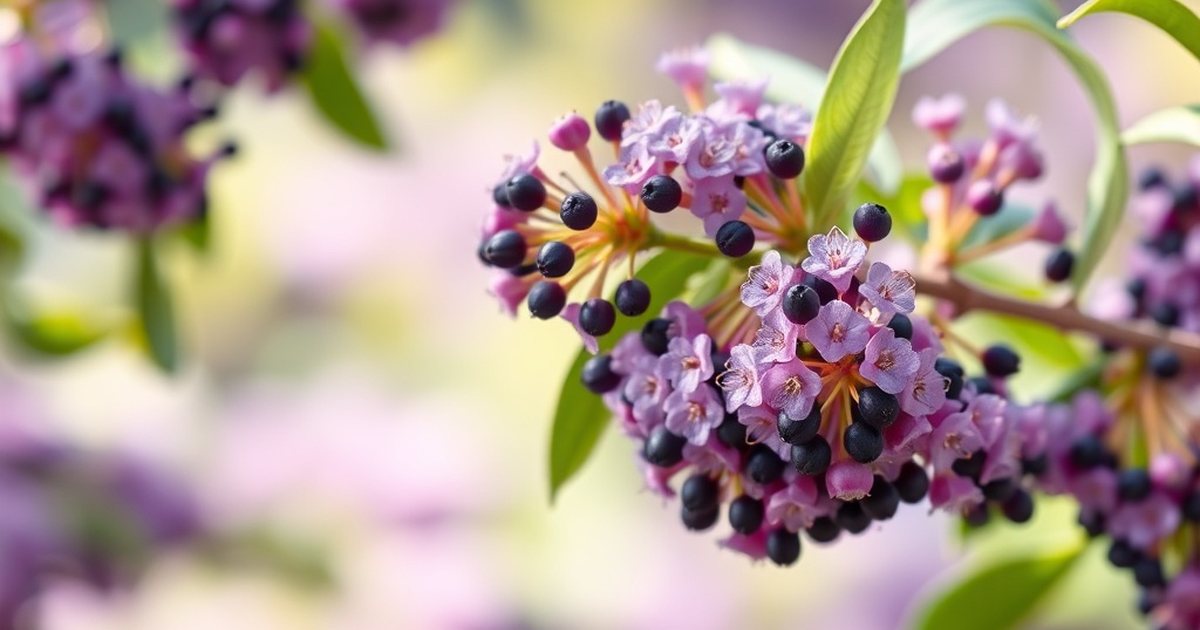
The trial that actually established this dose used the standardised extract Ze 440. It was a multicentre, double-blind, placebo-controlled study in which 162 women with PMS were randomised to placebo or to 8, 20 or 30 mg daily across three menstrual cycles. The 20 mg group improved significantly more than both placebo and the 8 mg group, while 30 mg produced no further improvement over 20 mg, which is why 20 mg became the recommended daily dose for that extract [4]. That result belongs to one characterised extract; a different product at the same milligram figure is not automatically equivalent, which is why what the label standardises to matters more than the number on the front.
For Cycle Irregularity and Luteal Phase Defects
When addressing irregular menstrual cycles or a shortened luteal phase, the goal is to support the body’s natural progesterone production. Dosages in the range of 30-40 mg of standardized extract daily are frequently recommended.
The consistent, daily intake is key to allowing Vitex to gradually influence the pituitary-ovarian axis. Improvements in cycle regularity and luteal phase length typically require several months of continuous use to become apparent.
For Early Perimenopausal Symptoms
In early perimenopause, women may experience increased PMS-like symptoms, cycle irregularity, and hot flashes due to fluctuating hormones. Vitex may offer support by helping to stabilize these fluctuations indirectly.
Dosages similar to those for PMS and cycle irregularity, typically 20-40 mg of a standardized extract daily, are often explored. However, research specifically on Vitex for perimenopausal hot flashes is less extensive and more varied in its findings compared to its efficacy for PMS.
When to Take Vitex: Timing for Optimal Efficacy
The timing of Vitex intake is often emphasized, with traditional and some modern recommendations suggesting morning administration. This recommendation is based on the premise that the pituitary gland is most active in the morning, and Vitex’s influence on prolactin secretion might be optimized during this time.
Taking Vitex first thing in the morning, ideally before breakfast, is the most common advice. Consistency is more critical than precise timing beyond the morning window. Missing a dose occasionally is unlikely to negate overall benefits, but regular daily intake is necessary for sustained effects.
Vitex Product Types and Their Dosages
Vitex is available in various forms, each with different concentrations and therefore different dosage recommendations. It is vital to read product labels carefully and understand the concentration of the extract.
| Product Type | Typical Dosage Range | Important Notes |
|---|---|---|
| Standardized Extract Capsules/Tablets | 20-40 mg daily (standardized to 0.5% agnusides) | Most common and well-researched form. Ensures consistent active compound levels. |
| Liquid Extracts/Tinctures | 30-40 drops (approx. 1-2 mL) daily | Concentration varies greatly by brand; check label for equivalent dry herb weight. Often absorbed quickly. |
| Dried Herb (Tea) | 1-2 grams of dried berries steeped in hot water, 1-3 times daily | Least concentrated form. Dosage is harder to standardize and less studied for specific clinical outcomes. |
| Crude Powder Capsules | 500-1000 mg daily | Not standardized; potency can vary significantly between batches and brands. Less predictable effects. |
For consistent and predictable effects, standardized extracts are generally preferred. These products are formulated to contain a specific amount of active compounds, such as agnusides, ensuring that each dose delivers a consistent potency.
How Long Does It Take to See Results?
Vitex is not an immediate-acting solution. Its effects on hormonal balance are gradual and cumulative. Most women will need to take Vitex consistently for at least 2-3 menstrual cycles, or approximately 2-3 months, before noticing significant improvements in their symptoms.
For some, particularly those with long-standing cycle irregularities, it may take up to 6 months to achieve optimal benefits. Patience and consistent adherence to the recommended dosage are key to successful outcomes with Vitex.

Vitex (Chasteberry) Dosage & Cost Calculator
Based on the labeled dose options for Gaia Herbs Vitex Berry 1000mg and the published 60-count bottle at $38.69.
Open the full dosage & cost calculator →
Estimate only – based on the current listed price of the 60-count Gaia Herbs Vitex Berry 1000mg bottle. Actual Amazon price can change; check the live price before buying.
Why no height/weight input? Unlike per-kg supplements (creatine, protein), Vitex (Chasteberry) has no published bodyweight-adjusted dosing in the research behind it. This calculator doesn't fabricate a per-kg formula that doesn't exist in the literature.
Get Gaia Herbs Vitex Berry 1000mg on Amazon(paid link) As an Amazon Associate we earn from qualifying purchases.
Safety Notes and Contraindications: When Not to Take Vitex
While generally considered safe for most women, Vitex is a potent herb that interacts with your body’s endocrine system. Therefore, it is crucial to be aware of potential side effects and contraindications.
Common Side Effects
Side effects are typically mild and infrequent. They can include gastrointestinal upset (nausea, stomach discomfort), headaches, dizziness, or skin rash. Some women report a temporary increase in acne or a change in menstrual bleeding patterns when first starting Vitex, which usually resolves.
Serious Contraindications and Drug Interactions
Vitex is NOT appropriate for women on Hormone Replacement Therapy (HRT) or any other hormonal medications, including oral contraceptives, fertility drugs, or progesterone creams. Its influence on prolactin and the pituitary gland can interfere with the efficacy of these medications, potentially leading to adverse effects or unintended consequences.
Due to its dopaminergic activity, Vitex should be avoided by individuals taking dopamine agonists or antagonists, such as certain medications for Parkinson’s disease or antipsychotic drugs. It may also interact with medications that affect neurotransmitters, including some antidepressants.
Women with hormone-sensitive conditions, such as breast cancer or other reproductive cancers, should strictly avoid Vitex. While Vitex primarily works to balance hormones, its exact influence on existing hormone-sensitive conditions is not fully understood and could be detrimental.
Vitex is generally not recommended during pregnancy or breastfeeding, as sufficient safety data in these populations is lacking. Always consult with your healthcare provider before starting any new supplement, especially if you have underlying health conditions or are taking other medications.
Choosing a Quality Vitex Supplement
When selecting a Vitex supplement, prioritize quality and transparency. Look for products that are standardized to a specific percentage of agnusides, typically 0.5%. This ensures you are getting a consistent and effective dose of the active compounds.
Consider brands that provide third-party testing for purity and potency. This verification helps confirm that the product contains what it claims and is free from contaminants. Reputable manufacturers will often make this information available on their website or upon request.
For those looking for high-quality Vitex supplements, you can explore options like chasteberry standardized extract capsules, Vitex liquid extracts, or organic Vitex capsules on Amazon. Remember to always check the product’s standardization and third-party testing information.


Conclusion: A Cautious and Informed Approach
Vitex agnus-castus offers a promising natural avenue for women experiencing PMS, cycle irregularities, and early perimenopausal symptoms. Its ability to indirectly influence hormonal balance through the dopamine-prolactin pathway makes it a valuable tool, but also one that requires a cautious and informed approach.
Adhering to evidence-based dosage guidelines, understanding the optimal timing, and being acutely aware of safety notes and contraindications are paramount. Always consult with a healthcare professional before integrating Vitex into your wellness regimen, especially if you are on other medications or have pre-existing health conditions.
Frequently Asked Questions (FAQ)
1. Can I take Vitex with birth control pills?
No, Vitex should not be taken with birth control pills or any other hormonal contraceptives. Vitex can interfere with the effectiveness of these medications, potentially leading to unintended pregnancy or other hormonal imbalances.
2. How long does it take for Vitex to start working?
Vitex typically takes 2-3 months of consistent daily use to show noticeable improvements. For some, particularly with more persistent issues, it may take up to 6 months for full benefits to manifest.
3. What is the best time of day to take Vitex?
It is generally recommended to take Vitex in the morning, ideally before breakfast. This timing is thought to align with the pituitary gland’s natural activity cycle, optimizing its effect on prolactin regulation.
4. Can Vitex help with hot flashes during perimenopause?
While some women report improvement in hot flashes, the evidence for Vitex specifically targeting hot flashes in perimenopause is less robust compared to its efficacy for PMS and cycle regulation. It may help indirectly by supporting overall hormonal balance.
5. Are there any serious side effects of Vitex?
Serious side effects are rare, but Vitex can cause mild side effects like gastrointestinal upset, headaches, or skin rash. It is critically contraindicated with hormonal medications, dopamine-affecting drugs, and hormone-sensitive cancers.
6. Do I need to cycle Vitex, or can I take it continuously?
Vitex is generally taken continuously, daily, for several months to achieve its benefits. There is no strong evidence to suggest cycling Vitex is necessary or more effective for typical indications.
References
- Activation of the mu-opiate receptor by Vitex agnus-castus methanol extracts: implication for its use in PMS. Journal of Ethnopharmacology, 2006
- Opioidergic mechanisms underlying the actions of Vitex agnus-castus L.. Biochemical Pharmacology, 2011
- Vitex Agnus-Castus for the Treatment of Cyclic Mastalgia: A Systematic Review and Meta-Analysis. Journal of Women's Health, 2020
- Dose-dependent efficacy of the Vitex agnus castus extract Ze 440 in patients suffering from premenstrual syndrome. Phytomedicine, 2012
These statements have not been evaluated by the FDA. This product is not intended to diagnose, treat, cure, or prevent any disease.
These statements have not been evaluated by the Food and Drug Administration. This information is not intended to diagnose, treat, cure, or prevent any disease. Content is for informational purposes only and is not medical advice; consult a qualified healthcare provider before starting any supplement. As an Amazon Associate we earn from qualifying purchases.
