Ready to buy? Check current prices on Amazon and compare deals before you decide.
Many women navigating their late 30s and 40s begin to notice subtle yet significant shifts in their bodies. Perhaps your once-predictable menstrual cycle is becoming erratic, PMS symptoms are intensifying, or you’re experiencing new discomforts that hint at the approach of perimenopause. In your search for natural ways to support hormonal balance during this transitional phase, you’ve likely encountered Vitex agnus-castus, also known as chasteberry. But with so much information available, it can be challenging to discern what the science truly says about its efficacy and safety.
This comprehensive article from VitexHub aims to provide an evidence-based overview of Vitex benefits, mechanisms, and considerations, grounded in research available up to 2026. We will explore how this ancient herb interacts with your body’s complex hormonal pathways, particularly focusing on its impact on PMS, cycle regularity, and early perimenopausal symptoms, all while maintaining a cautious and honest perspective.
As an Amazon Associate, VitexHub may earn from qualifying purchases made through links in this article. This helps support our research and content creation.
Understanding Vitex (Chasteberry): A Brief Overview
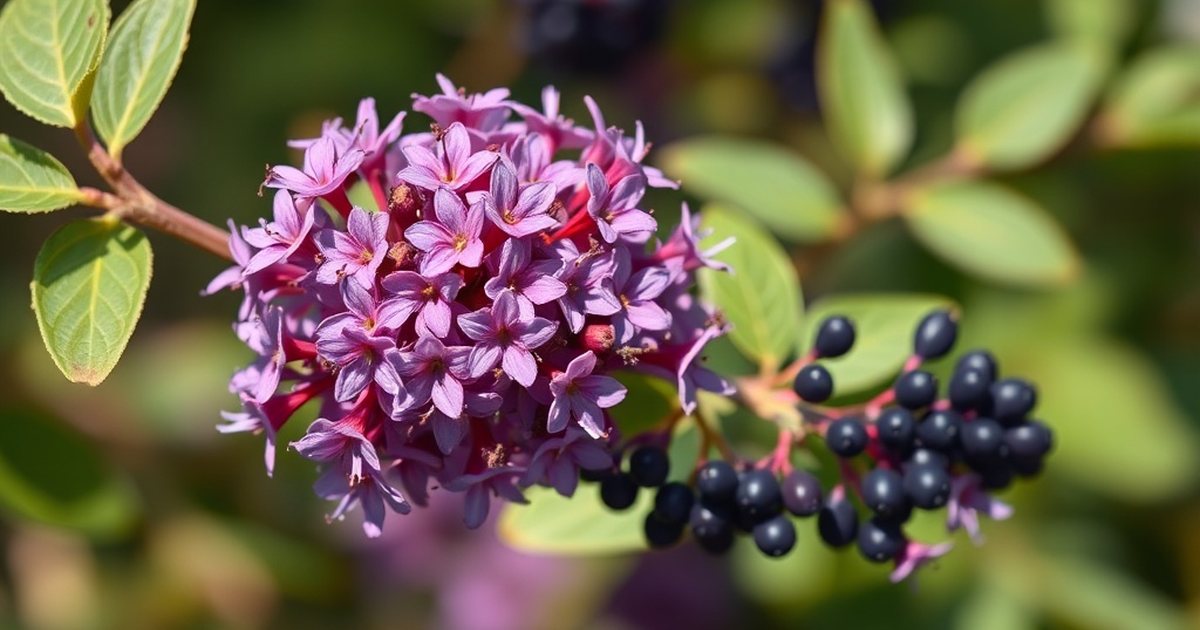
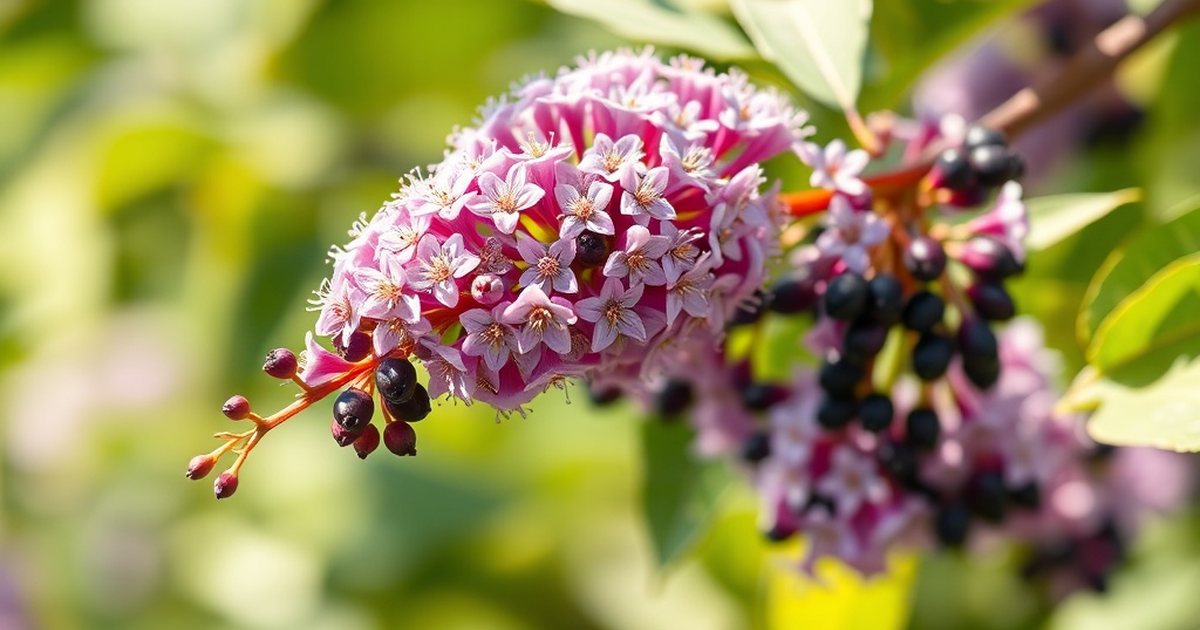
Vitex agnus-castus is a shrub native to the Mediterranean region and Asia. Its berries have been used for centuries in traditional herbal medicine, primarily for gynecological complaints. The active compounds within Vitex are thought to include flavonoids, iridoid glycosides, and essential oils, which collectively contribute to its therapeutic effects.
Unlike synthetic hormones, Vitex does not directly introduce hormones into the body. Instead, its primary mechanism of action involves influencing the pituitary gland, a master gland in the brain responsible for regulating many endocrine functions. This indirect approach is key to understanding its potential benefits and limitations.


The Science Behind Vitex: Dopamine and Prolactin Pathways
The most well-established mechanism of Vitex involves its interaction with the dopamine D2 receptors in the pituitary gland. By binding to these receptors, Vitex can exert a dopaminergic effect, which in turn leads to a reduction in the secretion of prolactin.
Prolactin is a hormone primarily known for its role in lactation. However, elevated prolactin levels, even within the “normal” range, can disrupt the delicate balance of other reproductive hormones, particularly progesterone. High prolactin can inhibit the pulsatile release of GnRH (gonadotropin-releasing hormone) from the hypothalamus, subsequently affecting the pituitary’s production of LH (luteinizing hormone) and FSH (follicle-stimulating hormone).
This cascade can lead to a relative progesterone deficiency, a common underlying factor in various menstrual cycle disturbances and certain perimenopausal symptoms. By moderating prolactin, Vitex is thought to indirectly support progesterone levels and improve the follicular and luteal phases of the menstrual cycle.
Vitex for Premenstrual Syndrome (PMS) and PMDD
One of the most extensively researched applications of Vitex is in the management of premenstrual syndrome (PMS) and its more severe form, premenstrual dysphoric disorder (PMDD). Many women experience a range of physical and emotional symptoms in the days or weeks leading up to their period, often linked to fluctuating hormone levels.
Evidence for Symptom Relief
Multiple placebo-controlled trials have reported reductions in PMS symptom severity, but how that evidence was assembled matters as much as which way it points. A 2019 meta-analysis deliberately restricted itself to double-blind, placebo-controlled trials that properly characterised the extract they tested, and only three of twenty-one published trials met that bar. Across those three trials, covering 520 women, participants taking Vitex were 2.57 times more likely to report a remission in symptoms than those taking placebo, with a confidence interval running from 1.52 to 4.35 [1].
A larger review published two years earlier pooled fourteen trials and found a large effect, yet its authors declined to draw a firm conclusion from it. Heterogeneity between the trials reached 91 percent, most carried a high risk of bias, and funnel-plot testing pointed to publication bias. They described the pooled figure as explorative and, in their own words, at best an overestimate of the real treatment effect [2]. That is the honest state of the evidence: consistent in direction, weak in quality, and still short of the large, well-reported trial the field keeps asking for.
The mechanism is primarily attributed to its prolactin-lowering effects, which can help to rebalance the estrogen-progesterone ratio. A relative excess of estrogen or insufficient progesterone in the luteal phase is often implicated in PMS symptom manifestation. By supporting a healthier progesterone level, Vitex may mitigate these symptoms.
It is important to note that while many studies show positive results, the exact degree of efficacy can vary between individuals. Consistent use over several menstrual cycles, typically three months or more, is often recommended before assessing its full benefit for PMS.
Vitex and Menstrual Cycle Irregularity
For women experiencing irregular menstrual cycles, Vitex has shown promise in helping to regulate ovulation and normalize cycle length. This is particularly relevant for those with luteal phase defects, where the second half of the cycle is too short or progesterone production is insufficient.
Supporting Ovulation and Luteal Phase
By lowering prolactin, Vitex can indirectly facilitate the proper functioning of the hypothalamic-pituitary-ovarian axis. This can lead to more consistent ovulation and an extended, healthier luteal phase, which is crucial for overall cycle regularity. Some studies have observed an increase in mid-luteal phase progesterone levels in women taking Vitex.
This effect is especially beneficial for women who experience anovulatory cycles (cycles without ovulation) or oligomenorrhea (infrequent periods) not caused by underlying medical conditions like PCOS where different treatment approaches may be needed. However, Vitex is not a universal solution for all types of cycle irregularity, and a proper diagnosis from a healthcare provider is always recommended.
Vitex in Early Perimenopause Hormone Support
As women approach perimenopause, typically in their late 30s and 40s, hormonal fluctuations become more pronounced. Periods can become irregular, heavier, or lighter, and symptoms like hot flashes, mood changes, and sleep disturbances may emerge. Vitex is sometimes considered for supporting this transition, particularly for symptoms related to progesterone decline.
Addressing Progesterone Imbalance
During perimenopause, progesterone levels often begin to decline before estrogen levels, leading to a state of relative estrogen dominance. This imbalance can contribute to many perimenopausal symptoms. Given Vitex’s potential to indirectly support progesterone production by modulating prolactin, it may offer some relief for symptoms exacerbated by this hormonal shift.
For instance, if irregular periods or increased breast tenderness are prominent perimenopausal symptoms, Vitex might help stabilize the cycle and reduce discomfort. However, it’s crucial to understand that Vitex does not replace progesterone or estrogen; it works by influencing the body’s own regulatory mechanisms. Its effectiveness for classic menopausal symptoms like severe hot flashes may be less pronounced than for PMS or cycle irregularity, as these symptoms often involve broader hormonal changes.

Important Considerations and Contraindications
While Vitex is generally well-tolerated, it is not suitable for everyone. Its interaction with dopamine and prolactin pathways means it can have significant effects on the endocrine system.
When Not to Use Vitex
Hormone Replacement Therapy (HRT): Vitex should generally be avoided if you are on HRT, including estrogen or progesterone therapy, as it can interfere with the intended effects of these medications. The combined hormonal influence can be unpredictable and potentially counterproductive.
Dopamine-related Medications: Given its dopaminergic activity, Vitex can interact with medications that affect dopamine levels, such as certain antipsychotics, Parkinson’s medications, and some antidepressants. This interaction could alter the efficacy of these drugs or increase side effects.
Prolactin-related Conditions: While Vitex can lower prolactin, it should not be used to treat hyperprolactinemia caused by pituitary tumors (prolactinomas) without strict medical supervision. Such conditions require specific medical management.
Pregnancy and Breastfeeding: Vitex is generally not recommended during pregnancy due to its hormonal effects. While some historical uses exist, modern evidence-based guidelines advise against it. During breastfeeding, its impact on milk supply and infant health is not sufficiently studied, so caution is advised.
Fertility Treatments: If undergoing fertility treatments, especially those involving hormonal stimulation, Vitex use should be discussed with your fertility specialist. It can interfere with the precise hormonal regulation required in these protocols.
Potential Side Effects
Most side effects are mild and uncommon, including gastrointestinal upset, headaches, skin rash, and dizziness. If you experience any concerning symptoms, discontinue use and consult a healthcare professional.
Choosing a Vitex Supplement: What to Look For
When selecting a Vitex supplement, quality and standardization are key. The active compounds are concentrated in the fruit (berry) of the plant. Look for products that clearly state the botanical name, Vitex agnus-castus, and provide information on the extract ratio or standardization.
| Feature | What to Look For | Why it Matters |
|---|---|---|
| Formulation | Capsules, liquid extracts, tinctures | Different forms offer varying absorption rates and ease of use. Liquid extracts may be absorbed faster. |
| Standardization | Standardized to specific compounds (e.g., agnusides, casticin) or a specific extract ratio (e.g., 4:1, 10:1) | Ensures consistent potency and therapeutic dose, reflecting what was used in clinical studies. |
| Dosage | Typically 20mg to 40mg of standardized extract, or 200mg to 1000mg of dried berry powder per day | Dosage varies based on concentration; always follow product instructions or healthcare provider advice. |
| Third-Party Testing | Indication of independent lab testing for purity and potency | Verifies that the product contains what it claims and is free from contaminants. |
| Ingredient Purity | Minimal fillers, binders, or artificial ingredients | Reduces the risk of allergic reactions or unwanted additives. |
When searching online, consider terms like “standardized Vitex agnus-castus extract,” “organic chasteberry capsules,” or “liquid Vitex tincture” to find reputable options. Always prioritize brands with transparent manufacturing practices and good reviews regarding product quality, not just effectiveness.

Conclusion: An Evidence-Based Approach to Vitex
Vitex agnus-castus has a long history of traditional use and is supported by a growing body of scientific evidence, particularly for its role in alleviating PMS symptoms and regulating menstrual cycles. Its primary mechanism through dopamine-mediated prolactin reduction offers a plausible explanation for its benefits in supporting a healthier progesterone balance.

For women aged 35-50 experiencing intensified PMS, cycle irregularities, or early perimenopausal symptoms linked to hormonal shifts, Vitex may be a beneficial natural option. However, it is not a magic bullet and requires consistent use to observe effects. Due to its impact on significant hormonal pathways, it is essential to approach Vitex with caution, be aware of contraindications, and always consult with a healthcare professional before starting any new supplement, especially if you are on medication or have underlying health conditions.
Frequently Asked Questions (FAQ)
How long does it take for Vitex to work?
Many women report noticing initial improvements within 1-2 menstrual cycles. However, for significant and consistent results, particularly for PMS or cycle regulation, it is often recommended to use Vitex for at least 3 months, and sometimes up to 6 months.
Can Vitex help with hot flashes during perimenopause?
While Vitex primarily addresses symptoms related to progesterone balance and prolactin, its direct impact on classic hot flashes and night sweats, which are often more linked to estrogen fluctuations, is less consistently demonstrated in research. Some women may find mild relief if their hot flashes are exacerbated by overall hormonal imbalance, but it is not typically considered a primary treatment for severe vasomotor symptoms.
Is Vitex safe to take long-term?
For many women, Vitex is well-tolerated for long-term use (several months to a year or more) when used appropriately and under guidance. However, continuous monitoring by a healthcare professional is advisable to assess ongoing need and any potential side effects. It’s often recommended to take breaks periodically to reassess your body’s natural balance.
Can Vitex affect my birth control pills?
There is theoretical concern that Vitex, by influencing hormonal pathways, could potentially interfere with the effectiveness of hormonal birth control pills. While direct evidence of reduced efficacy is limited, it is generally advised to avoid combining Vitex with hormonal contraceptives unless specifically cleared by your doctor, due to the risk of unintended pregnancy or altered hormonal effects.
What is the best time of day to take Vitex?
Many herbalists recommend taking Vitex in the morning on an empty stomach, as this is thought to align with the body’s natural hormonal rhythms and pituitary function. However, consistency is more important than the exact timing. Follow the specific instructions on your chosen supplement or the advice of your healthcare provider.
Can men take Vitex?
While primarily used by women, Vitex has historically been used in men to reduce libido, earning it the “chasteberry” moniker. Modern research on its use in men is limited, and it is not commonly recommended for men for general health or hormonal balance without specific medical advice, given its influence on prolactin and potential impact on male hormones.
References
- Vitex agnus-castus in premenstrual syndrome: A meta-analysis of double-blind randomised controlled trials. Complementary Therapies in Medicine, 2019
- The treatment of premenstrual syndrome with preparations of Vitex agnus castus: a systematic review and meta-analysis. American Journal of Obstetrics and Gynecology, 2017
These statements have not been evaluated by the FDA. This product is not intended to diagnose, treat, cure, or prevent any disease.
These statements have not been evaluated by the Food and Drug Administration. This information is not intended to diagnose, treat, cure, or prevent any disease. Content is for informational purposes only and is not medical advice; consult a qualified healthcare provider before starting any supplement. As an Amazon Associate we earn from qualifying purchases.
