Are you experiencing new or worsening premenstrual symptoms, irregular cycles, or the confusing onset of perimenopausal changes? Many women between 35 and 50 find themselves searching for natural ways to support their hormonal balance during these transitional years. If you’ve been exploring options, you’ve likely come across Vitex agnus-castus, also known as chasteberry, a botanical remedy with a long history of traditional use.
But what exactly is Vitex, and can it truly offer relief for issues like PMS, cycle irregularity, or early perimenopause symptoms? In this comprehensive guide, we’ll explore the science behind Vitex, its potential benefits, the mechanisms by which it acts, and crucial safety considerations, providing you with evidence-based information to help you make informed decisions.
As an Amazon Associate, VitexHub may earn from qualifying purchases made through links in this article. This helps support our mission to provide accurate, evidence-based health information.
What is Vitex Agnus-Castus (Chasteberry)?
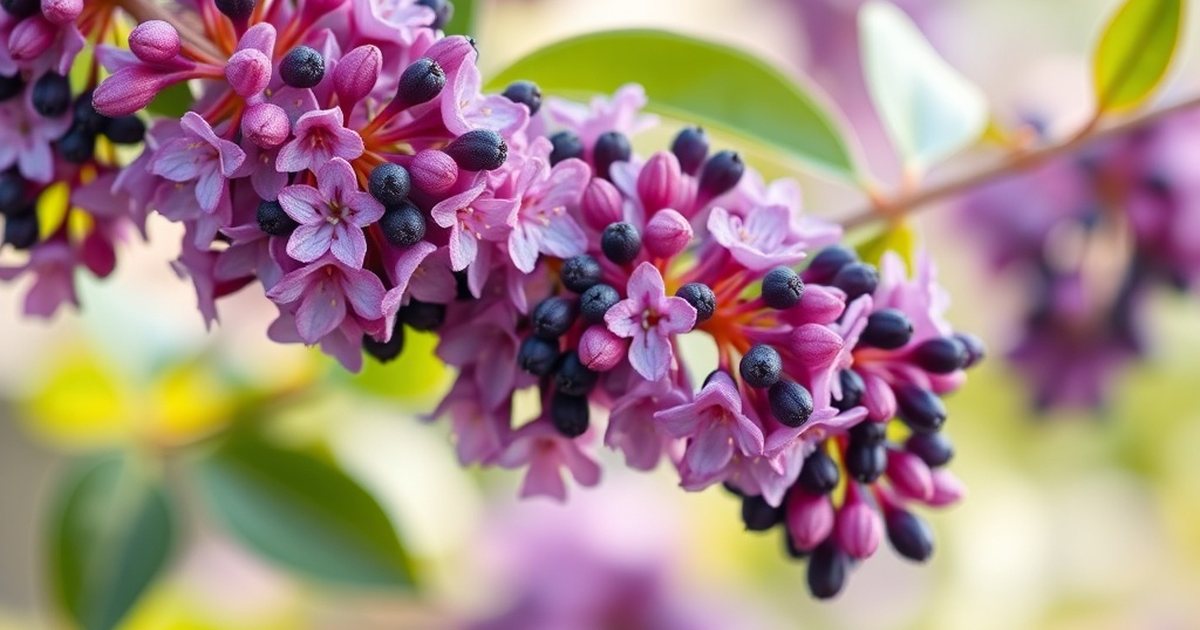
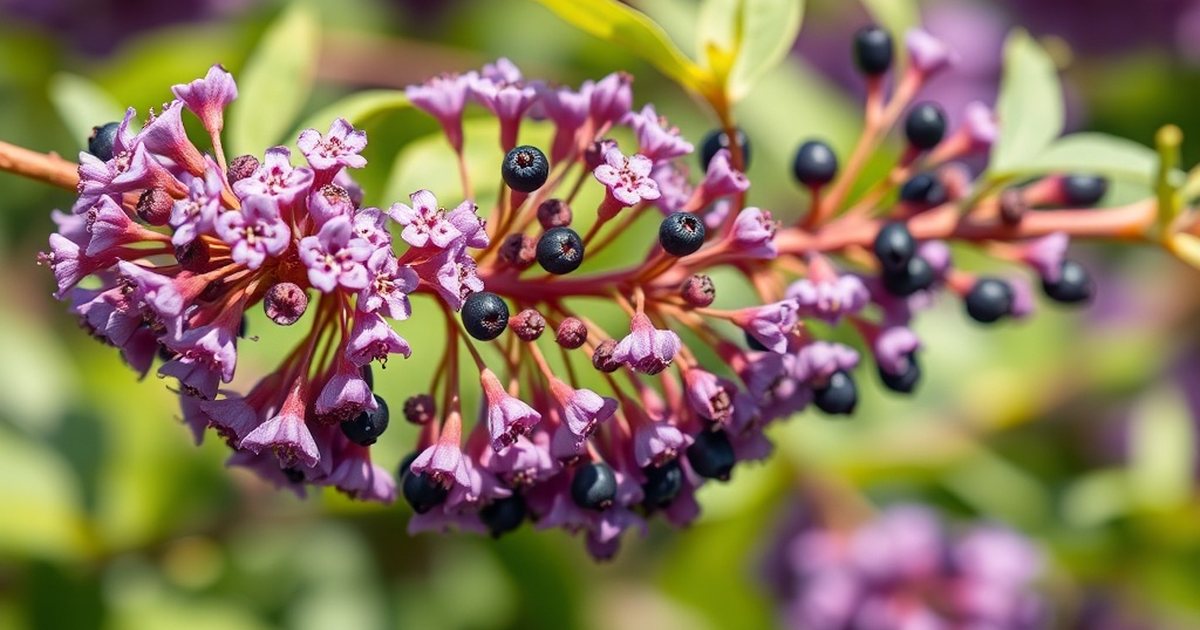
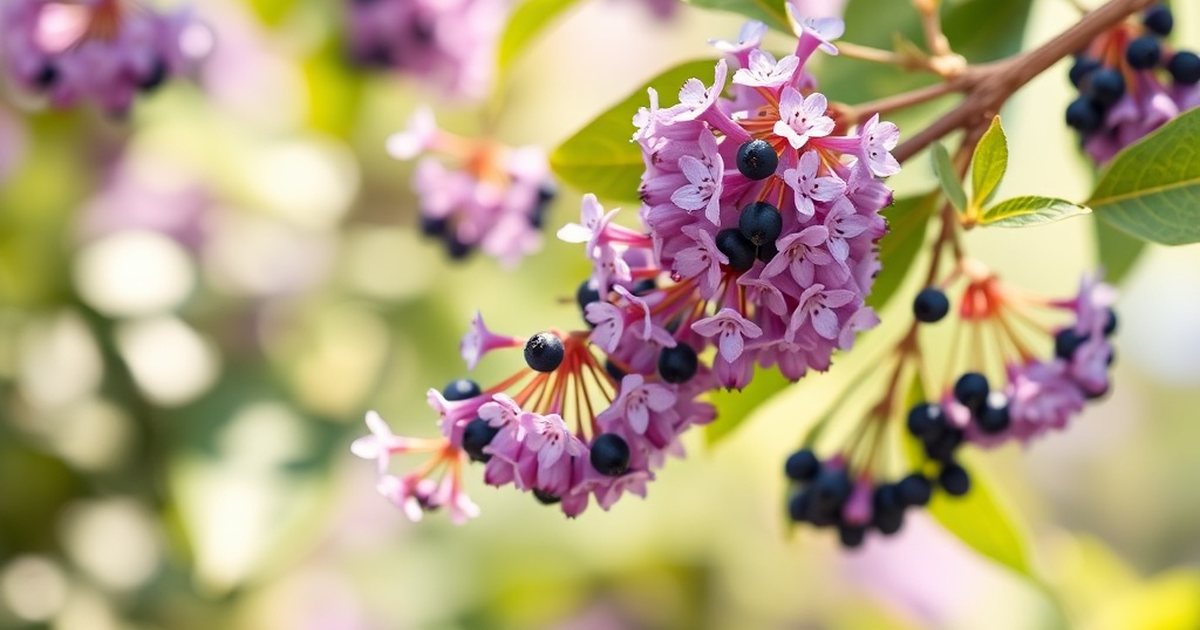
Vitex agnus-castus, commonly known as chasteberry or chaste tree berry, is a shrub native to the Mediterranean region and Central Asia. Its berries have been used for centuries in traditional herbal medicine, particularly for women’s reproductive health concerns.
Historically, it was believed to suppress libido, hence the name “chasteberry.” Modern research, however, focuses on its potential to influence hormone-regulating pathways, particularly those involving the pituitary gland.


How Does Vitex Work? Understanding Its Mechanisms
Unlike many hormonal therapies, Vitex does not contain hormones itself. Instead, its primary mechanism of action involves influencing the pituitary gland, a master gland in the brain that regulates many endocrine functions.
Specifically, Vitex appears to interact with dopamine D2 receptors. This interaction can lead to a reduction in the release of prolactin from the anterior pituitary gland.
Elevated prolactin levels, even within the normal range, can sometimes contribute to symptoms such as breast tenderness, menstrual irregularities, and luteal phase defects. By gently modulating prolactin, Vitex may indirectly support a more balanced ratio of estrogen to progesterone.
This subtle influence on the hypothalamic-pituitary-ovarian (HPO) axis is thought to be responsible for its observed effects on menstrual cycle regularity and symptom relief.
Vitex for PMS and PMDD: Evidence and Research
One of the most well-researched applications of Vitex is in the management of premenstrual syndrome (PMS) and its more severe form, premenstrual dysphoric disorder (PMDD). Many clinical trials have investigated its efficacy for these conditions.
Several systematic reviews have looked at Vitex for PMS and found broadly the same thing. One review of eight randomised controlled trials reported that all eight favoured Vitex over their comparator, and that it was generally well tolerated [1]. An earlier review of twelve trials found Vitex superior to placebo in five of six placebo-controlled studies of PMS [2]. The symptoms measured across these trials are the familiar ones: irritability, mood alteration, anger, headache, bloating and breast fullness.
The caveat is consistent across these reviews, and it is worth stating plainly rather than burying. A 2017 meta-analysis of fourteen trials found the pooled effect large but the underlying evidence weak, with heterogeneity at 91 percent, a high risk of bias in most trials and signs of publication bias, and its authors explicitly refused to treat the pooled number as a definitive result [3].
The reduction in prolactin is often cited as the key mechanism for breast pain relief, while the overall balancing effect on the HPO axis may contribute to improvements in other symptoms. The trials that report a benefit typically run across three menstrual cycles rather than a few weeks, which is the timescale worth planning around [4].
It’s important to note that consistent daily use over at least 2-3 cycles is typically required to observe significant benefits. The effects are not immediate, reflecting the gradual rebalancing of hormonal pathways.
Vitex for Cycle Irregularity and Luteal Phase Support
For women experiencing irregular menstrual cycles, Vitex has also shown promise, particularly in cases linked to luteal phase defects. The luteal phase is the latter part of the menstrual cycle, after ovulation, when progesterone levels should ideally be high.
A short or insufficient luteal phase can be associated with difficulty conceiving or recurrent early miscarriages. By influencing prolactin and indirectly supporting progesterone production during the luteal phase, Vitex may help to lengthen this phase and promote more regular ovulation.
Vitex is often described as helping to normalise cycle length in women with mild irregularity, and the largest dataset behind that claim is a retrospective cohort of 1,700 women taking Vitex products for menstrual cycle disorders, in which the proportion reporting an irregular cycle fell from 9.1 percent to 0.1 percent over three months [5]. That study had no control group and relied on health records and telephone interviews, so it describes what happened to women who took it rather than proving the herb caused the change. The proposed mechanism is a modulatory action on the pituitary that in turn affects ovarian function.
However, it is not a direct progesterone supplement and should not be confused with pharmaceutical progesterone. Its role is to support the body’s own endogenous progesterone production.
Vitex and Early Perimenopause Hormone Support
As women approach perimenopause, hormonal fluctuations become more pronounced, leading to symptoms like irregular periods, mood changes, and sleep disturbances. While research on Vitex specifically for perimenopause is less extensive than for PMS, its mechanisms suggest potential benefits.
The fluctuating estrogen and progesterone levels during perimenopause can often lead to a relative “estrogen dominance” in the presence of insufficient progesterone. If Vitex can support the body’s own progesterone production by balancing the HPO axis, it may help mitigate some perimenopausal symptoms.
Some smaller studies and anecdotal reports suggest Vitex may help reduce hot flashes, improve mood, and regulate irregular cycles during early perimenopause. However, more robust, large-scale clinical trials are needed to definitively establish its efficacy for widespread perimenopausal symptom relief.
It’s crucial to understand that Vitex is not a replacement for hormone replacement therapy (HRT) for severe menopausal symptoms. It offers a more gentle, supportive approach for those experiencing milder, early perimenopausal shifts.
Safety, Side Effects, and Contraindications
Vitex is generally considered well-tolerated by most individuals when taken within recommended dosages. However, like any active botanical, it can have side effects and is not suitable for everyone.

Common side effects, though rare, can include mild gastrointestinal upset, headache, dizziness, or skin rash. Some women may initially experience a temporary change in their menstrual cycle as their body adjusts.
Important Contraindications and Interactions:
Hormone Replacement Therapy (HRT) and Hormonal Contraceptives: Due to its influence on hormonal pathways, Vitex should NOT be used concurrently with HRT, hormonal birth control pills, patches, rings, or injections. It can interfere with their efficacy and potentially lead to unpredictable hormonal effects.
Pregnancy and Breastfeeding: Vitex is generally not recommended during pregnancy or while breastfeeding. While some traditional uses exist, there is insufficient modern safety data to support its use in these populations.
Dopamine-related Medications: Given its interaction with dopamine receptors, Vitex may interact with medications that affect dopamine levels. This includes medications for Parkinson’s disease, antipsychotics, and certain antidepressants. Consult your doctor if you are on any such medications.
Fertility Treatments: If you are undergoing fertility treatments, especially those involving ovarian stimulation or hormonal support, Vitex should only be used under strict medical supervision.
Always consult with a healthcare professional before starting any new supplement, especially if you have existing health conditions or are taking other medications. They can help determine if Vitex is appropriate for your specific situation.
Vitex vs. Other Natural Hormone Support
When considering natural approaches to hormonal balance, Vitex is one of many options. Here’s a brief comparison with other commonly used botanicals:
| Botanical | Primary Mechanism/Focus | Key Differences from Vitex |
|---|---|---|
| Vitex (Chasteberry) | Modulates prolactin via dopamine D2 receptors, supports pituitary-ovarian axis, indirectly supports progesterone. | Focuses on pituitary influence; not a direct phytoestrogen. |
| Black Cohosh | May act as a selective estrogen receptor modulator (SERM) in some tissues. | Primarily for menopausal hot flashes; mechanism involves estrogen receptors, not prolactin. |
| Maca Root | Adaptogenic, supports endocrine system, non-hormonal. | Broader adaptogenic effects on stress response and energy; less direct influence on specific reproductive hormones than Vitex. |
| Evening Primrose Oil | Source of gamma-linolenic acid (GLA), an omega-6 fatty acid. | Primarily reduces inflammation and breast tenderness; no direct hormonal action like Vitex. |
| Dong Quai | Traditional Chinese medicine herb, sometimes called “female ginseng.” | Used for menstrual cramps and pain; may have mild estrogenic effects, different from Vitex’s prolactin modulation. |
Choosing a Vitex Supplement
When selecting a Vitex supplement, quality and standardization are important. Look for products from reputable brands that provide clear information on their sourcing and manufacturing practices.
Consider the following types of Vitex products:
Standardized Vitex Extracts: These supplements contain a guaranteed concentration of active compounds, such as agnusides or casticin. This ensures consistent potency between doses and batches. You can search for “standardized Vitex extract” or “Vitex agnus-castus extract agnusides” on Amazon.
Organic Vitex Berry Powder: For those who prefer a less processed form, organic Vitex berry powder offers the whole herb. This can be mixed into smoothies or juices. Search for “organic Vitex powder” or “chasteberry powder organic” on Amazon.
Liquid Vitex Tinctures: Tinctures provide a convenient way to take Vitex, often allowing for flexible dosing. They are absorbed quickly. Look for “Vitex liquid extract” or “chasteberry tincture alcohol free” on Amazon.

Always check the ingredient list for unnecessary fillers or allergens. Start with the lowest effective dose and follow the manufacturer’s recommendations or your healthcare provider’s advice.
Conclusion
Vitex agnus-castus, or chasteberry, stands as a well-researched botanical remedy primarily for women navigating the complexities of PMS, cycle irregularities, and early perimenopausal symptoms. Its unique mechanism of action, involving the modulation of prolactin through dopamine pathways, offers a gentle yet effective way to support the body’s natural hormonal balance.
While promising, it’s essential to approach Vitex with a cautious and informed perspective, understanding its contraindications and the necessity of consulting a healthcare professional. For many women seeking natural support during these significant life stages, Vitex may offer a valuable option to explore.
Frequently Asked Questions About Vitex (Chasteberry)
How long does it take for Vitex to work?
Vitex typically requires consistent daily use over at least 2 to 3 menstrual cycles (approximately 2-3 months) to show significant effects. Its action is gradual, working to rebalance hormonal pathways rather than providing immediate relief.
Can Vitex help with perimenopausal hot flashes?
Some women in early perimenopause report reduced hot flashes with Vitex, possibly due to its influence on overall hormonal balance. However, research specifically on hot flashes is less robust compared to PMS, and it’s not a primary treatment for severe vasomotor symptoms.
Is Vitex safe to take with birth control?
No, Vitex should NOT be taken with hormonal birth control (pills, patches, rings, injections) or any form of Hormone Replacement Therapy (HRT). It can interfere with their effectiveness and potentially lead to breakthrough bleeding or unintended pregnancy.
Does Vitex increase progesterone?
Vitex does not directly contain progesterone. Instead, it is believed to indirectly support the body’s natural progesterone production by balancing the pituitary-ovarian axis, particularly by reducing elevated prolactin levels. This can lead to a more robust luteal phase.
What is the best time of day to take Vitex?
Many herbalists recommend taking Vitex in the morning on an empty stomach, as this aligns with the natural rhythm of the pituitary gland. However, consistency is more important than the exact timing, so choose a time that works best for your routine.
These statements have not been evaluated by the FDA. This product is not intended to diagnose, treat, cure, or prevent any disease.
Ready to buy? Check current prices on Amazon and compare deals before you decide.
References
- Vitex agnus castus for premenstrual syndrome and premenstrual dysphoric disorder: a systematic review. Archives of Women's Mental Health, 2017
- Vitex agnus-castus extracts for female reproductive disorders: a systematic review of clinical trials. Planta Medica, 2013
- The treatment of premenstrual syndrome with preparations of Vitex agnus castus: a systematic review and meta-analysis. American Journal of Obstetrics and Gynecology, 2017
- Dose-dependent efficacy of the Vitex agnus castus extract Ze 440 in patients suffering from premenstrual syndrome. Phytomedicine, 2012
- Use of Vitex agnus-castus in patients with menstrual cycle disorders: a single-center retrospective longitudinal cohort study. Archives of Gynecology and Obstetrics, 2024
These statements have not been evaluated by the Food and Drug Administration. This information is not intended to diagnose, treat, cure, or prevent any disease. Content is for informational purposes only and is not medical advice; consult a qualified healthcare provider before starting any supplement. As an Amazon Associate we earn from qualifying purchases.
