Vitex agnus-castus, also known as chasteberry, is a botanical that some women consider for various aspects of their hormonal well-being, particularly during the reproductive years and into midlife. While often discussed in relation to premenstrual syndrome, its potential role in the menopausal transition is sometimes explored.
However, like any supplement, vitex may not be the right fit for everyone, or its utility might change over time. Understanding when to consider stopping vitex and exploring other options is a sensible part of managing your health journey.
Understanding How Vitex is Thought to Influence Hormonal Balance
Vitex is generally understood to interact with the body’s endocrine system, specifically by influencing pituitary function. This interaction is thought to indirectly affect the balance of hormones like progesterone and estrogen, which can fluctuate significantly during perimenopause and menopause.
The primary mechanism attributed to vitex is its potential effect on dopamine receptors, which in turn can influence prolactin levels. By potentially moderating prolactin, vitex may indirectly support a more balanced hormonal environment. This mechanism is often cited in discussions around its use for premenstrual symptoms [1].
Reasons to Consider Stopping Vitex
There are several practical reasons why a woman might decide to stop taking vitex. The most straightforward reason is if it doesn’t seem to be providing the desired benefits. If you’ve been taking vitex for a reasonable period and haven’t noticed improvements in your specific concerns, it may be time to re-evaluate its use.
Another important consideration is the emergence of new or worsening symptoms. While vitex is generally considered well-tolerated, some individuals may experience side effects such as gastrointestinal upset, headaches, or skin reactions. If these occur or become bothersome, discontinuing vitex would be a logical step. Additionally, if your health status changes or you start new medications, it’s wise to review all supplements you are taking with a healthcare professional.
As women transition through perimenopause into postmenopause, their hormonal landscape shifts significantly. The hormonal fluctuations characteristic of perimenopause eventually give way to consistently lower hormone levels in postmenopause. The mechanisms by which vitex may exert its effects might be more relevant during periods of active hormonal cyclicity or significant fluctuation, such as perimenopause or conditions like PCOS [2], rather than in the postmenopausal phase where cycles have ceased.
When Vitex Might No Longer Be Optimal for Menopausal Support
During perimenopause, women often experience irregular cycles, hot flashes, sleep disturbances, and mood changes due to fluctuating hormone levels. Vitex is sometimes considered during this phase, primarily for managing premenstrual-like symptoms that can intensify.
However, as a woman progresses further into menopause, particularly once she is postmenopausal (defined as 12 consecutive months without a menstrual period), the hormonal picture changes. The body is no longer attempting to ovulate, and estrogen and progesterone levels are consistently low. The traditional understanding of vitex’s action, which often involves modulating pituitary hormones to indirectly support progesterone production, may become less relevant in this new hormonal environment. Therefore, its potential benefits for symptoms such as hot flashes or night sweats in postmenopause might be limited compared to other approaches [3].
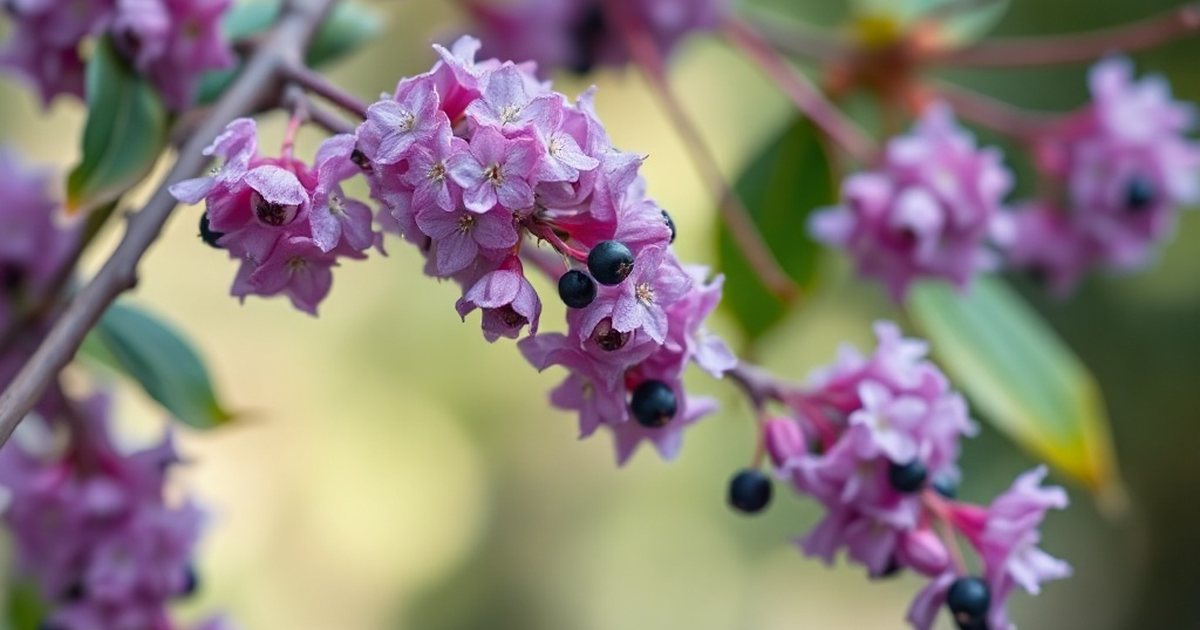
It’s important to note that research specifically on vitex’s effectiveness for postmenopausal symptoms like hot flashes is less robust than for premenstrual syndrome or cycle irregularities. While some studies have explored herbal combinations including vitex for menopausal symptoms [3], isolating the effect of vitex alone in this population can be challenging.
Exploring Alternatives for Menopausal Well-being
If you decide that stopping vitex is appropriate, a range of other approaches and botanicals are often considered for managing menopausal symptoms. These alternatives often focus on different mechanisms of action or address a broader spectrum of symptoms.

For vasomotor symptoms like hot flashes and night sweats, botanicals such as black cohosh, red clover, and soy isoflavones are frequently discussed [4][5]. These may contain compounds that interact with estrogen receptors or have other mechanisms that could help modulate temperature regulation. Lifestyle adjustments, including diet, exercise, and stress management, are also fundamental for overall well-being during menopause.
For sleep disturbances, which are common during menopause, options like magnolia bark or specific nutrient combinations are sometimes explored [3]. Always discuss any new supplements or significant lifestyle changes with a healthcare provider to ensure they are appropriate for your individual health profile.
The Process of Discontinuing Vitex
When discontinuing vitex, it’s generally advisable to do so gradually, especially if you’ve been taking it for an extended period. This allows your body to adjust to the absence of the supplement. While not typically associated with severe withdrawal symptoms, a gradual reduction can help monitor for any changes in your original symptoms or the emergence of new ones.
Pay attention to how your body responds after stopping vitex. Keep a symptom journal to track any shifts in your mood, sleep, energy levels, or other concerns. This information can be valuable for discussions with your healthcare provider as you explore alternative strategies for managing menopausal well-being.


References
- Efficacy and Tolerability Evaluation of a Nutraceutical Composition Containing Vitex agnus-castus Extract (EVX40™), Pyridoxine, and Magnesium in Premenstrual Syndrome: A Real-World, Interventional, Comparative Study. Cureus, 2023
- A comprehensive review of clinical studies with herbal medicine on polycystic ovary syndrome (PCOS). Daru : journal of Faculty of Pharmacy, Tehran University of Medical Sciences, 2019
- Adding Agnus Castus and Magnolia to Soy Isoflavones Relieves Sleep Disturbances Besides Postmenopausal Vasomotor Symptoms-Long Term Safety and Effectiveness. Nutrients, 2017
- Herbs commonly used by women: an evidence-based review. Disease-a-month : DM, 2002
- Herbs commonly used by women: an evidence-based review. American journal of obstetrics and gynecology, 2003
These statements have not been evaluated by the Food and Drug Administration. This information is not intended to diagnose, treat, cure, or prevent any disease. Content is for informational purposes only and is not medical advice; consult a qualified healthcare provider before starting any supplement. As an Amazon Associate we earn from qualifying purchases.
