Ready to buy? Check current prices on Amazon and compare deals before you decide.
Navigating perimenopause often involves exploring various approaches to manage the common shifts and symptoms that can arise. Among the many options, herbal remedies like vitex (Chasteberry) and black cohosh (Actaea racemosa or Cimicifuga racemosa) are frequently discussed.
This article aims to provide an evidence-based comparison of vitex and black cohosh, focusing on their potential roles in supporting women through perimenopause. We’ll examine what current understanding suggests about their mechanisms and applications, particularly in relation to symptom management during this transitional phase.
Understanding Vitex (Chasteberry) for Perimenopausal Support
Vitex agnus-castus, commonly known as chasteberry, has a long history of traditional use, particularly for supporting women’s reproductive health. Its mechanisms are understood to involve interactions with the pituitary gland, which can influence hormone balance. Specifically, vitex is thought to modulate prolactin levels and indirectly affect progesterone, which can be relevant during perimenopause when hormonal fluctuations are common[1].
While vitex is often discussed in relation to premenstrual syndrome (PMS) and menstrual cycle irregularities, its application during perimenopause is an area of interest[2]. The hormonal shifts in perimenopause can lead to irregular cycles, breast tenderness, and mood changes, symptoms that vitex has been explored for in other contexts. However, specific, robust studies directly comparing vitex to other remedies specifically for a broad range of perimenopausal symptoms are limited.
It’s important to approach the use of vitex during perimenopause with an understanding of its potential influence on hormone-related pathways. For individuals experiencing significant cycle irregularities or discomfort during this phase, vitex may be considered as part of a broader discussion with a healthcare provider.


Black Cohosh (Actaea racemosa) and Perimenopausal Symptoms
Black cohosh is another widely recognized herbal remedy, primarily associated with supporting women through menopause and perimenopause. Its traditional use dates back centuries, and it has been extensively studied for its potential effects on various menopausal symptoms, particularly hot flashes and night sweats. The exact mechanisms of black cohosh are still being researched, but current theories include its potential to act as a selective estrogen receptor modulator (SERM) or to influence neurotransmitters like serotonin.
Numerous studies have investigated black cohosh’s effectiveness for hot flashes and other menopausal discomforts. While some research has shown positive outcomes, other studies have yielded mixed results, leading to ongoing discussion within the scientific community regarding its precise efficacy and optimal application. The evidence base for black cohosh in managing hot flashes is generally considered to be of moderate strength, with varying degrees of success reported across different formulations and study populations.
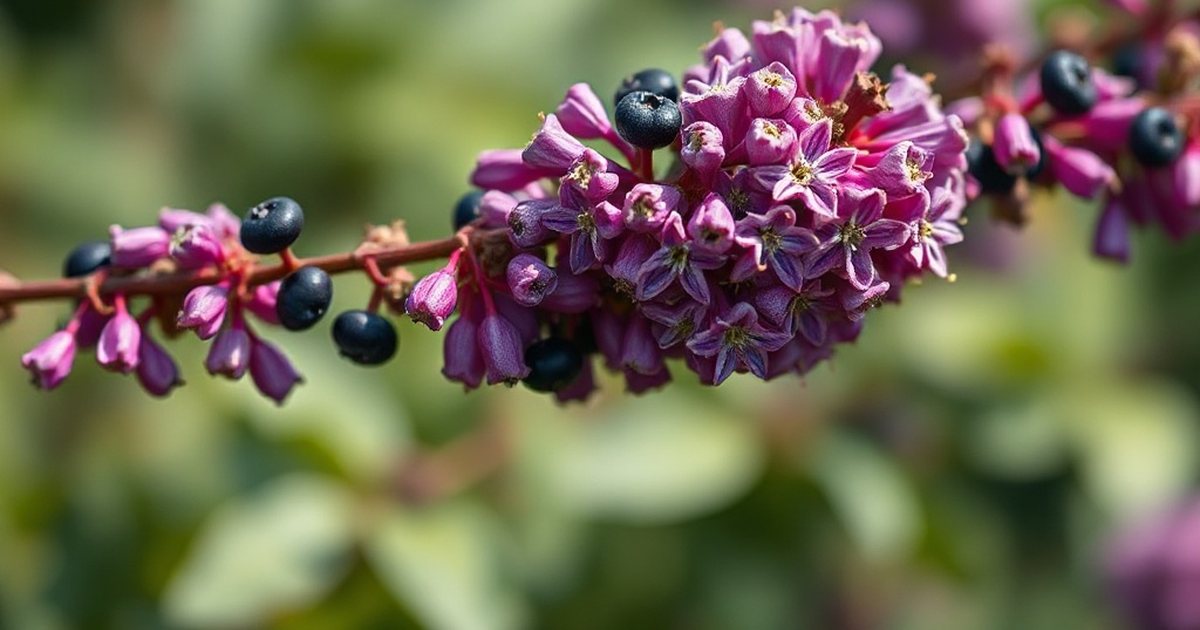
For women experiencing bothersome vasomotor symptoms like hot flashes during perimenopause, black cohosh is often among the first herbal options considered. Its long history of use and the body of research, despite some inconsistencies, make it a prominent choice for many seeking non-hormonal support.
Comparing Vitex vs Black Cohosh for Perimenopause
When considering vitex vs black cohosh for perimenopause, it’s helpful to look at their primary areas of traditional use and research focus. Vitex is more commonly associated with issues related to the menstrual cycle, such as irregularity and breast tenderness, suggesting a potential role in addressing cycle-related discomforts during perimenopause. Black cohosh, on the other hand, has a stronger research focus on alleviating vasomotor symptoms like hot flashes and night sweats.
The differing proposed mechanisms also highlight their distinct applications. Vitex is thought to influence the pituitary gland and hormone balance, while black cohosh is explored for its potential effects on estrogen receptors or neurotransmitters. This means that an individual’s specific perimenopausal symptoms might guide the choice between these two herbs. For example, someone primarily experiencing menstrual irregularities and breast discomfort might consider vitex, whereas someone struggling more with hot flashes might look towards black cohosh.

It is important to note that direct comparative studies specifically pitting vitex against black cohosh for a comprehensive range of perimenopausal symptoms are not widely available. Most research tends to focus on each herb individually or in comparison to placebo or conventional treatments. Therefore, drawing definitive conclusions about which is ‘better’ depends heavily on the specific symptoms an individual is aiming to address.
Other Herbal Options and Integrated Approaches
Beyond vitex and black cohosh, several other herbal remedies are sometimes discussed in the context of perimenopause. These include red clover, soy isoflavones, dong quai, and evening primrose oil, among others. Each of these herbs has different proposed mechanisms and varying levels of evidence for their efficacy in managing perimenopausal symptoms. For instance, red clover and soy are often explored for their phytoestrogen content, which may offer some support for hot flashes.
An integrated approach to perimenopausal symptom management often involves more than just a single herb. Lifestyle factors such as diet, exercise, stress management, and adequate sleep play crucial roles. Combining well-researched herbal options with these foundational lifestyle practices can provide a more holistic strategy for navigating the perimenopausal transition.
When considering any herbal remedy, it’s always advisable to consult with a healthcare professional. They can help evaluate individual symptoms, medical history, and potential interactions with other medications or health conditions. This personalized guidance is essential for making informed decisions about which remedies, if any, are most appropriate.
References
- Vitex agnus castus effects on hyperprolactinaemia. Front Endocrinol (Lausanne), 2023
- The treatment of premenstrual syndrome with preparations of Vitex agnus castus: a systematic review and meta-analysis. Am J Obstet Gynecol, 2017
These statements have not been evaluated by the Food and Drug Administration. This information is not intended to diagnose, treat, cure, or prevent any disease. Content is for informational purposes only and is not medical advice; consult a qualified healthcare provider before starting any supplement. As an Amazon Associate we earn from qualifying purchases.
