As women transition through perimenopause, hormonal shifts can bring about a range of experiences, including changes in menstrual cycles and mood fluctuations. Many individuals explore herbal options to support their well-being during this time. Two botanicals frequently discussed are Vitex agnus-castus (chasteberry) and Black Cohosh (Cimicifuga racemosa).
This article aims to provide an evidence-based comparison of vitex vs black cohosh for perimenopause, focusing on their potential roles in addressing cycle irregularities and mood changes. Our goal is to offer accurate, non-hyped information to help you understand these options better.
Understanding Perimenopause: Hormonal Shifts and Their Impact
Perimenopause is the transitional phase leading up to menopause, characterized by fluctuating hormone levels, particularly estrogen and progesterone. These fluctuations can manifest in various ways, impacting both physical and emotional well-being. Common experiences during perimenopause include irregular menstrual cycles, changes in cycle length and flow, and shifts in mood.
The unpredictable nature of perimenopausal hormones can sometimes lead to experiences that resemble premenstrual syndrome (PMS), even in women who haven’t historically experienced it. These ‘PMS-like symptoms’ can include irritability, mood swings, and breast tenderness. Understanding the hormonal backdrop of these changes is crucial when considering supportive approaches.
Vitex (Chasteberry): Focus on Hormonal Balance and Cycle Regularity
Vitex agnus-castus, commonly known as chasteberry, has a historical reputation for supporting female reproductive health. Its proposed mechanisms involve influencing the pituitary gland, which in turn can impact the balance of hormones like progesterone and estrogen. This influence is thought to be particularly relevant for issues related to cycle regularity and PMS-like symptoms.
Research has explored vitex’s potential role in addressing various menopause-related complaints [1]. In a subpopulation analysis, a combination of Vitex agnus-castus and Hypericum perforatum (St. John’s Wort) was examined for its effects on PMS-like symptoms in late-perimenopausal women [2]. Another randomized, controlled trial also investigated Hypericum perforatum with Vitex agnus-castus in menopausal symptoms [3]. These studies suggest an interest in vitex for aspects of perimenopausal well-being, particularly those resembling premenstrual complaints.
It’s important to note that while some research has explored vitex in the context of menopause-related complaints [1], its traditional use and current understanding often lean towards supporting menstrual cycle health and addressing symptoms associated with hormonal fluctuations before the cessation of periods. For perimenopausal women experiencing irregular cycles and PMS-like mood changes, vitex may be a consideration due to its potential influence on hormonal balance.


Black Cohosh: Focus on Vasomotor Symptoms and General Menopausal Support
Black Cohosh (Cimicifuga racemosa) is another well-researched botanical, primarily known for its use in addressing menopausal symptoms, particularly hot flashes and night sweats (vasomotor symptoms). Its mechanisms of action are complex and not fully understood, but are thought to involve interactions with estrogen receptors or neurotransmitter systems. [4]
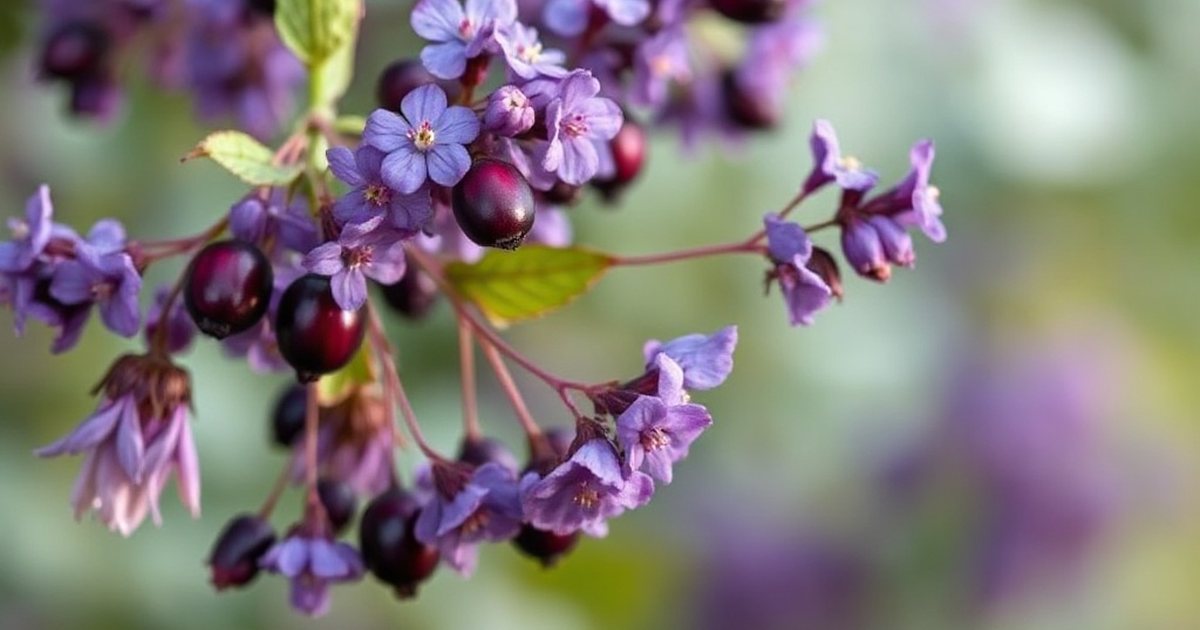
While often considered for its effects on hot flashes, black cohosh has also been studied in the broader context of menopausal symptoms. However, its primary focus in research has largely been on vasomotor symptoms rather than direct regulation of menstrual cycles or specific mood changes unrelated to hot flashes. Some studies have explored various herbal preparations for menopause, including black cohosh, highlighting its role in this area [4].
When considering black cohosh, it’s generally thought of as a botanical for later stages of perimenopause or menopause when vasomotor symptoms are more prominent. While mood changes can certainly accompany hot flashes, black cohosh is not typically the first choice for cycle irregularities or mood changes that are distinct from hot flashes.
Vitex vs. Black Cohosh: Choosing for Perimenopause Cycle & Mood Changes
When considering vitex vs black cohosh for perimenopausal cycle and mood changes, their primary areas of focus may help in making an informed choice. Vitex is often considered when the main concerns are irregular menstrual cycles, breast tenderness, or mood changes that resemble PMS, particularly if periods are still occurring and hormonal fluctuations are contributing to these symptoms [2]. Its potential influence on pituitary function and subsequent progesterone balance might be relevant here.
Black cohosh, on the other hand, is more commonly explored for symptoms such as hot flashes and night sweats [4]. While these can certainly impact mood, black cohosh’s primary evidence base lies in addressing vasomotor symptoms. If your primary perimenopausal experiences are related to significant hot flashes, black cohosh might be a more direct consideration.

For perimenopausal women whose main experiences revolve around irregular periods and mood shifts that feel ‘cyclical’ or PMS-like, vitex may align more closely with those concerns. If the dominant experiences are hot flashes, black cohosh may be more directly relevant. It’s important to recognize that perimenopause is a dynamic time, and symptoms can evolve, making a careful assessment of individual experiences valuable.
Important Considerations and Research Nuances
It’s important to approach herbal supplements with an understanding of the available evidence. While some studies show promise, research on botanicals can sometimes be limited by study size or design. For instance, some analyses have looked at how individuals respond to placebos in trials of phytotherapy for menopause, highlighting the complexity of interpreting outcomes [5][6].
The effectiveness of herbal preparations can vary between individuals, and what works for one person may not work for another. The term ‘menopausal symptoms’ itself can encompass a wide range of experiences, and the specific impact of botanicals may differ depending on which symptoms are being addressed [3]. Therefore, understanding the nuances of how each botanical has been studied is key.
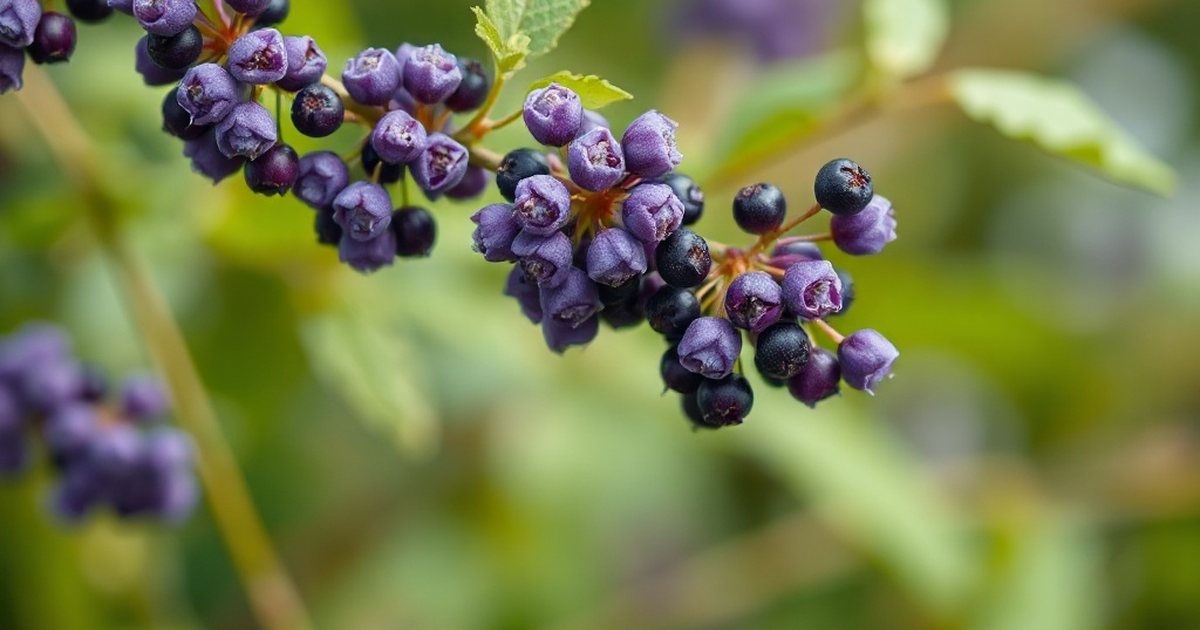
When considering vitex or black cohosh, it’s always advisable to consult with a healthcare professional to ensure it is appropriate for your individual health profile and does not interact with any other medications or health conditions you may have.
References
- Vitex agnus-castus (Chaste-Tree/Berry) in the treatment of menopause-related complaints. Journal of alternative and complementary medicine (New York, N.Y.), 2009
- Effects of a combination of Hypericum perforatum and Vitex agnus-castus on PMS-like symptoms in late-perimenopausal women: findings from a subpopulation analysis. Journal of alternative and complementary medicine (New York, N.Y.), 2009
- Hypericum perforatum with Vitex agnus-castus in menopausal symptoms: a randomized, controlled trial. Menopause (New York, N.Y.), 2009
- Herbal preparations for the menopause: beyond isoflavones and black cohosh. Maturitas, 2014
- Predictors of placebo response in a randomized, controlled trial of phytotherapy in menopause. Menopause (New York, N.Y.), 2009
- Are we drawing the right conclusions from randomised placebo-controlled trials? A post-hoc analysis of data from a randomised controlled trial. BMC medical research methodology, 2009
These statements have not been evaluated by the Food and Drug Administration. This information is not intended to diagnose, treat, cure, or prevent any disease. Content is for informational purposes only and is not medical advice; consult a qualified healthcare provider before starting any supplement. As an Amazon Associate we earn from qualifying purchases.
