Navigating the hormonal shifts of perimenopause can bring a range of experiences, and for many women, changes in mood and increased irritability are common. These emotional fluctuations can significantly impact daily life and well-being during this transitional phase.
Vitex agnus-castus, also known as chasteberry, is an herb that has garnered interest for its potential effects on hormonal balance, particularly in contexts involving the menstrual cycle. This article will explore the scientific evidence regarding vitex’s role in supporting mood and reducing irritability during perimenopause, drawing solely from available research.
Understanding Perimenopausal Mood Changes
Perimenopause is the period leading up to menopause, characterized by fluctuating hormone levels, primarily estrogen and progesterone. These hormonal shifts can influence neurotransmitter activity in the brain, which in turn can affect mood, emotional regulation, and stress responses. Many women report experiencing heightened irritability, anxiety, and mood swings during this time, even if they haven’t experienced them significantly before.
While these mood changes are a normal part of the perimenopausal transition for many, understanding potential supportive strategies can be valuable. Lifestyle adjustments, stress management, and certain herbal supplements like vitex are often considered by women seeking to navigate these emotional shifts more smoothly.
How Vitex May Influence Mood and Irritability
Vitex is thought to exert its effects primarily through its influence on the pituitary gland, which can indirectly affect the balance of hormones such as progesterone and estrogen. While not directly a hormone, vitex is believed to interact with dopamine receptors, which may help to modulate prolactin levels. Elevated prolactin can sometimes contribute to premenstrual symptoms, including mood disturbances.
By potentially supporting a more balanced hormonal environment, vitex may, in turn, help to stabilize mood and reduce feelings of irritability. It’s important to note that vitex does not introduce hormones into the body but rather aims to support the body’s own regulatory mechanisms.

Evidence for Vitex in Perimenopausal Mood Support
While direct research specifically on vitex’s effects on perimenopausal mood swings is still developing, studies on related conditions, particularly premenstrual syndrome (PMS), offer insights. PMS often involves similar mood-related symptoms, such as irritability and mood swings, which are linked to cyclical hormonal fluctuations.
A 2025 study, ‘Effectiveness of Multisymptom Support for Better Relief and Alleviation of Common Effects in Perimenopause (EMBRACE PERIMENOPAUSE),’ investigated a multi-ingredient supplement including Vitex agnus-castus for common perimenopausal effects [1]. This research suggests that vitex, as part of a broader supportive approach, may contribute to alleviating some common perimenopausal experiences.
Further support comes from studies focusing on PMS. For example, a prospective, open-label study from 2014 found that Vitex agnus-castus extract showed efficacy and safety for supporting women experiencing premenstrual syndrome, which often includes mood disturbances [2]. Another study in 2012 also highlighted the therapeutic effect of Vitex agnus-castus in individuals with premenstrual syndrome [3].
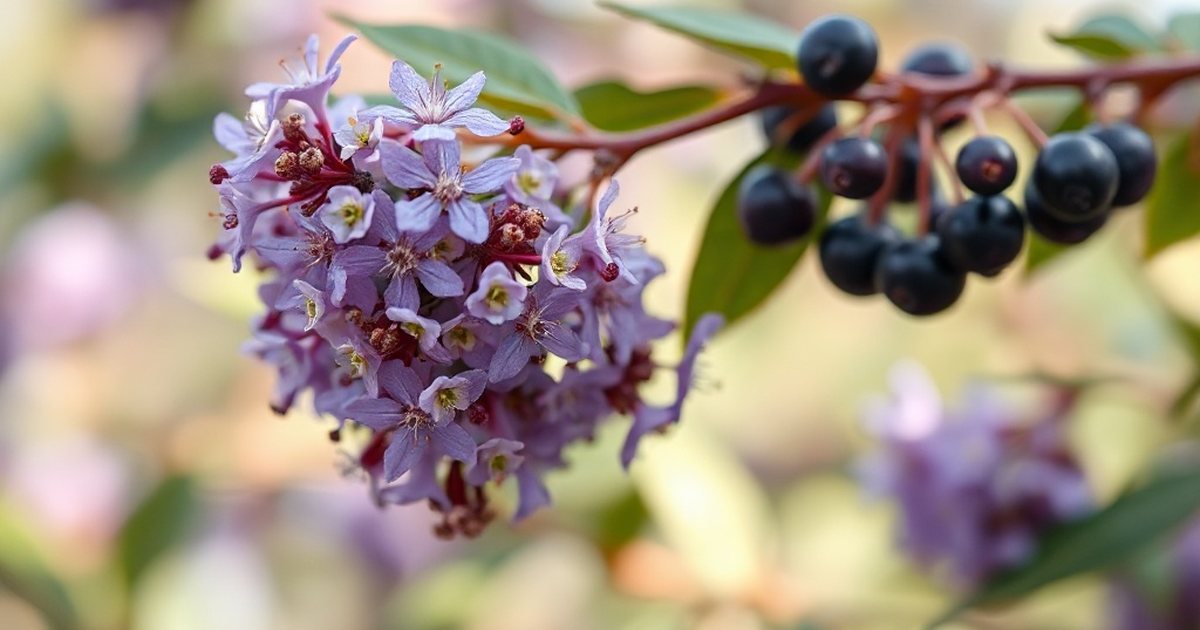
The efficacy of vitex in these contexts appears to be dose-dependent, as indicated by research in 2012, which found dose-dependent efficacy of a specific Vitex agnus castus extract in patients experiencing premenstrual syndrome [4]. These findings, while not directly on perimenopause, provide a basis for understanding how vitex might influence mood and irritability in hormonally fluctuating periods.

What the Research Suggests for Perimenopausal Women
Based on the available evidence, particularly from studies on PMS and emerging research on perimenopause, vitex appears to be a promising herb for supporting emotional well-being during times of hormonal change. The observed benefits in reducing irritability and mood swings in PMS suggest a potential parallel in perimenopause, where similar hormonal fluctuations occur.
The ‘EMBRACE PERIMENOPAUSE’ study specifically points to vitex’s inclusion in strategies for broader perimenopausal symptom support [1]. While more dedicated research directly on vitex and perimenopausal mood swings would be beneficial, the existing body of evidence provides a foundation for considering vitex as a supportive option.
It is important for women considering vitex to understand that individual responses can vary. The effects of herbal supplements are not always immediate and may take time to become noticeable. Consistency and appropriate dosing, often guided by product instructions or a healthcare professional, are key.


References
- Effectiveness of Multisymptom Support for Better Relief and Alleviation of Common Effects in Perimenopause (EMBRACE PERIMENOPAUSE). Cureus, 2025
- Efficacy and safety of Vitex agnus-castus extract for treatment of premenstrual syndrome in Japanese patients: a prospective, open-label study. Advances in therapy, 2014
- Therapeutic effect of Vitex agnus castus in patients with premenstrual syndrome. Acta medica Iranica, 2012
- Dose-dependent efficacy of the Vitex agnus castus extract Ze 440 in patients suffering from premenstrual syndrome. Phytomedicine : international journal of phytotherapy and phytopharmacology, 2012
These statements have not been evaluated by the Food and Drug Administration. This information is not intended to diagnose, treat, cure, or prevent any disease. Content is for informational purposes only and is not medical advice; consult a qualified healthcare provider before starting any supplement. As an Amazon Associate we earn from qualifying purchases.
